


Health Care, Medical Device & Wellness
A good product isn't enough. It has to look trustworthy before anyone's proven that it is.
For over two decades we've worked with global companies, startups, and device makers across health, medical technology, and wellness from genetic testing kits and home monitoring to intimate health products and wearable tech. In this industry, a mistake isn't aesthetic. It's clinical.
Medical devices, diagnostics, and wellness products get tested twice: once in the lab, and once by eye. Before a regulator, an investor, or a patient understands the technology, they've already
Branding and design for the health and wellness industry
Peace of mind is the real product.
Brand Strategy & Positioning for Clinical Companies
A good health company tells two stories at once: one scientific, one human. We build the positioning and language that connect them — so the same company can stand in front of a hospital procurement committee in the morning, and an investor in the evening, without contradicting itself.
Material Language & Product Appearance
People trust hardware before they understand how it works they judge it by what they see and touch. This is the layer we work on: case, material, color, and finish the point where the product meets the brand. That's where our work lives.
Packaging, Sterility & Regulation
Medical packaging has to pass a standards lab and a shopper's glance in the same breath. We design packaging systems that meet sterility and regulatory requirements, and still deliver an opening moment that feels considered and premium.
Go-to-Market & Brand Presence
In this industry, the brand gets tested long before the product reaches a shelf in an investor's boardroom, a hospital corridor, a regulator's file. We build the presence that makes a company look serious and mature at every one of those moments, before anyone's read the technical spec.
Before we design, we learn the language.
We don't walk into a project with a template. Every category in health and wellness speaks its own language, and before we design for it, we need to know it from the inside.
01
Research & Learning
Before we design, we study the material: the product, the technology, how it's used, and the regulation it operates under.
Understanding the product, the technology, and how it's used
Mapping regulatory and compliance requirements
Understanding the target audiences: Patients, professionals, investors
Analyzing competitors and existing market positioning
02
Industry Immersion
Every category in health and wellness speaks its own creative language, and we learn it before we write a single word.
Mapping the market and the leading players in the specific category
Analyzing the design and creative conventions of the field
Identifying which conventions to respect, and which to break
Understanding what regulators, investors, and consumers expect in the category
03
Execution
This is where it all becomes tangible. We build the brand across the touchpoints relevant to the project not every project needs every tool.
Strategy & branding
Product design, case & packaging design
Visual & verbal identity
Digital platforms & go-to-market materials
We do:_____________________ & so more
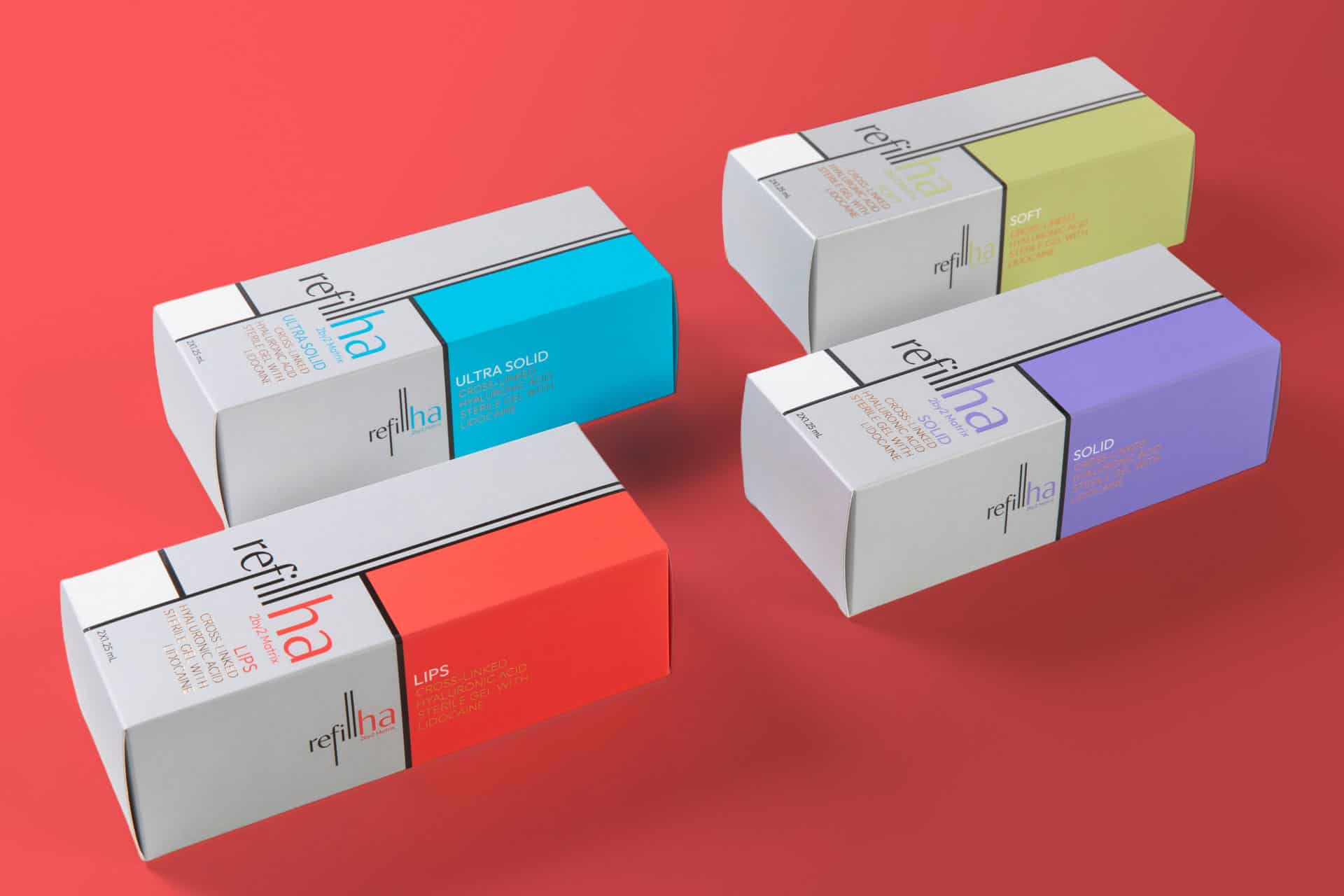
Refillha
Brand System and packaging for Beauty & Cosmetics Brand
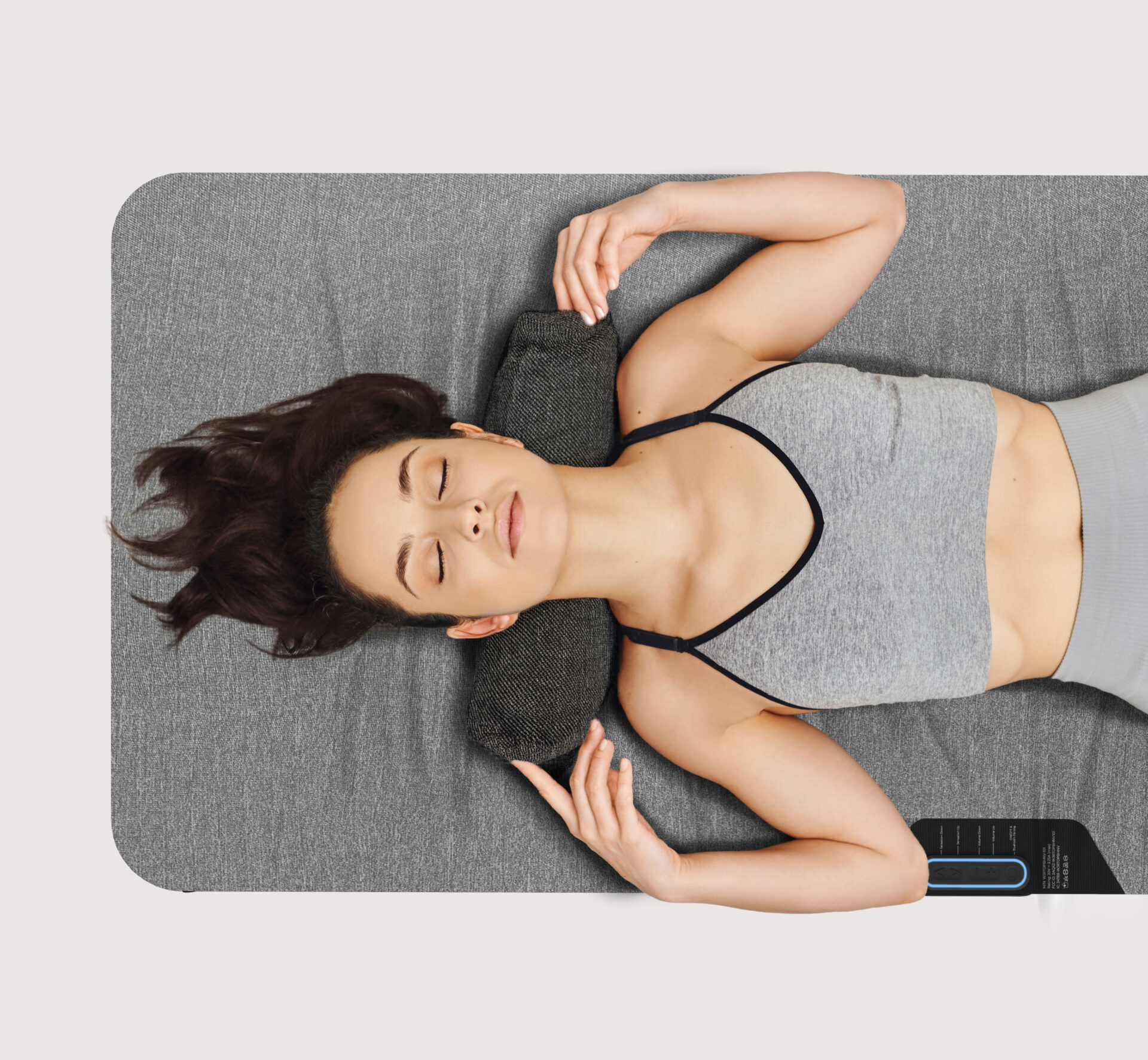
Woojer MAT
Wellness in Motion

TROPX
Branding for an AI-Driven Smart Wearable System

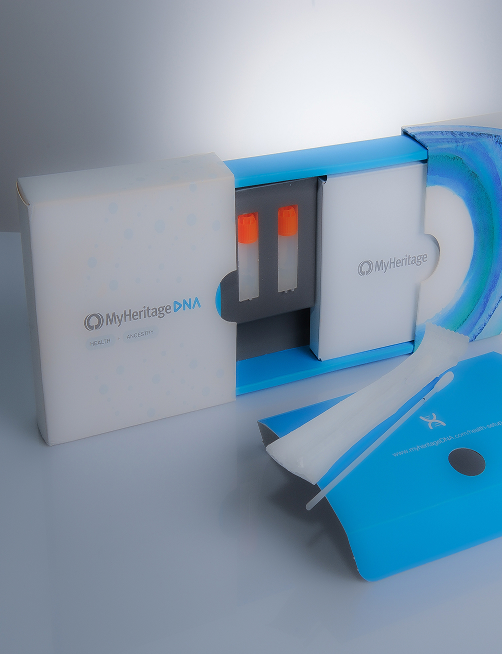
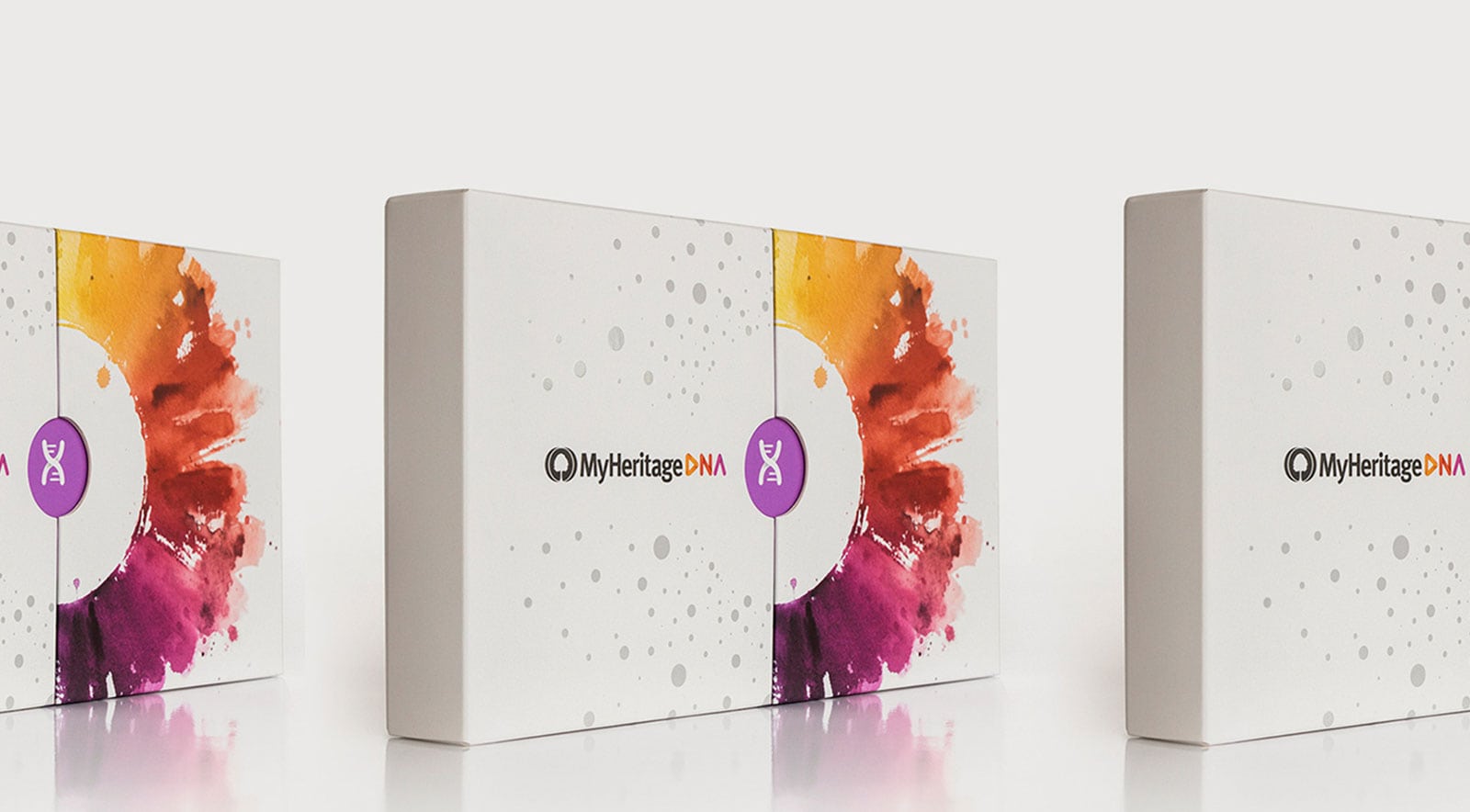
MyHeritage DNA Kit
Unveiling Heritage, Respectfully

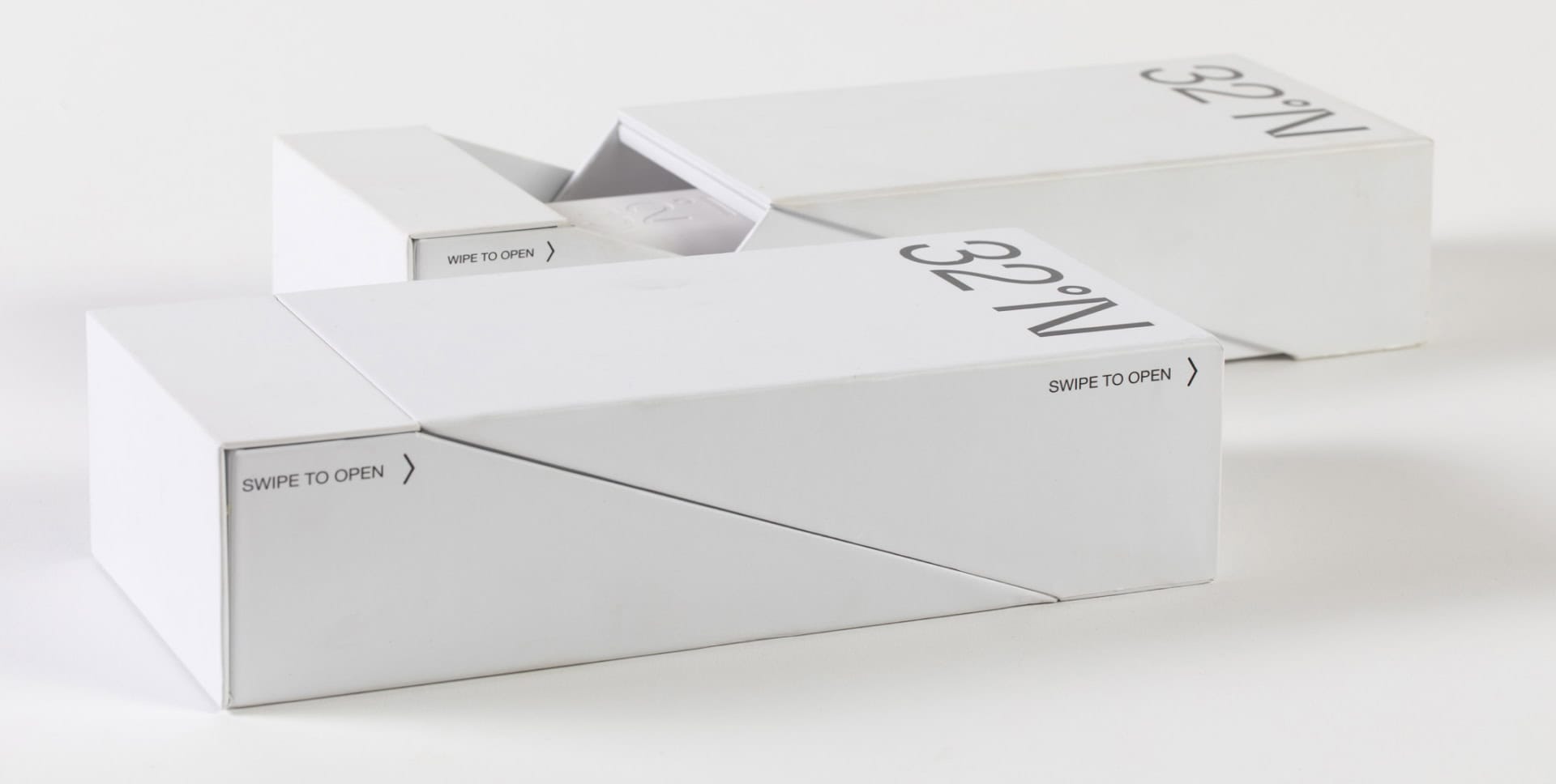
32N
Sunglasses that switch to reading glasses in one swipe

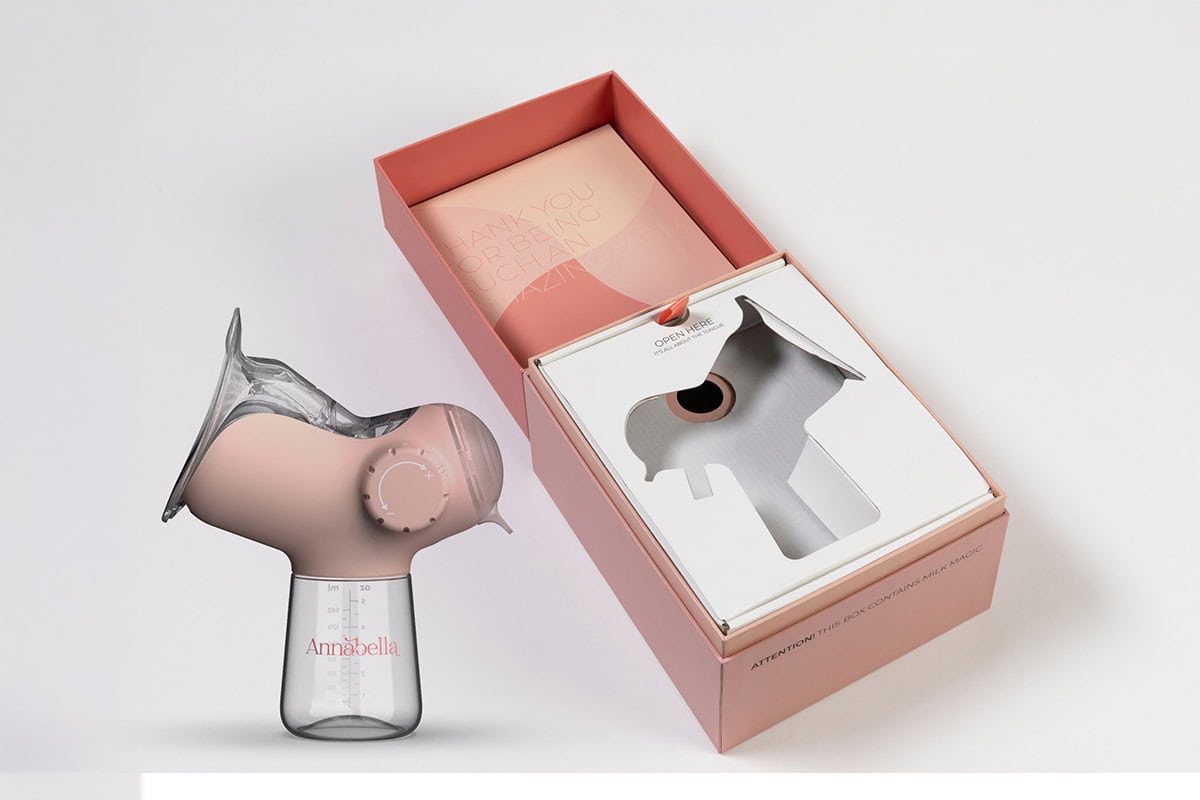
Anabella x NFH
Packaging That Nurtures Innovation

Cuspa
Brand System for the Heart

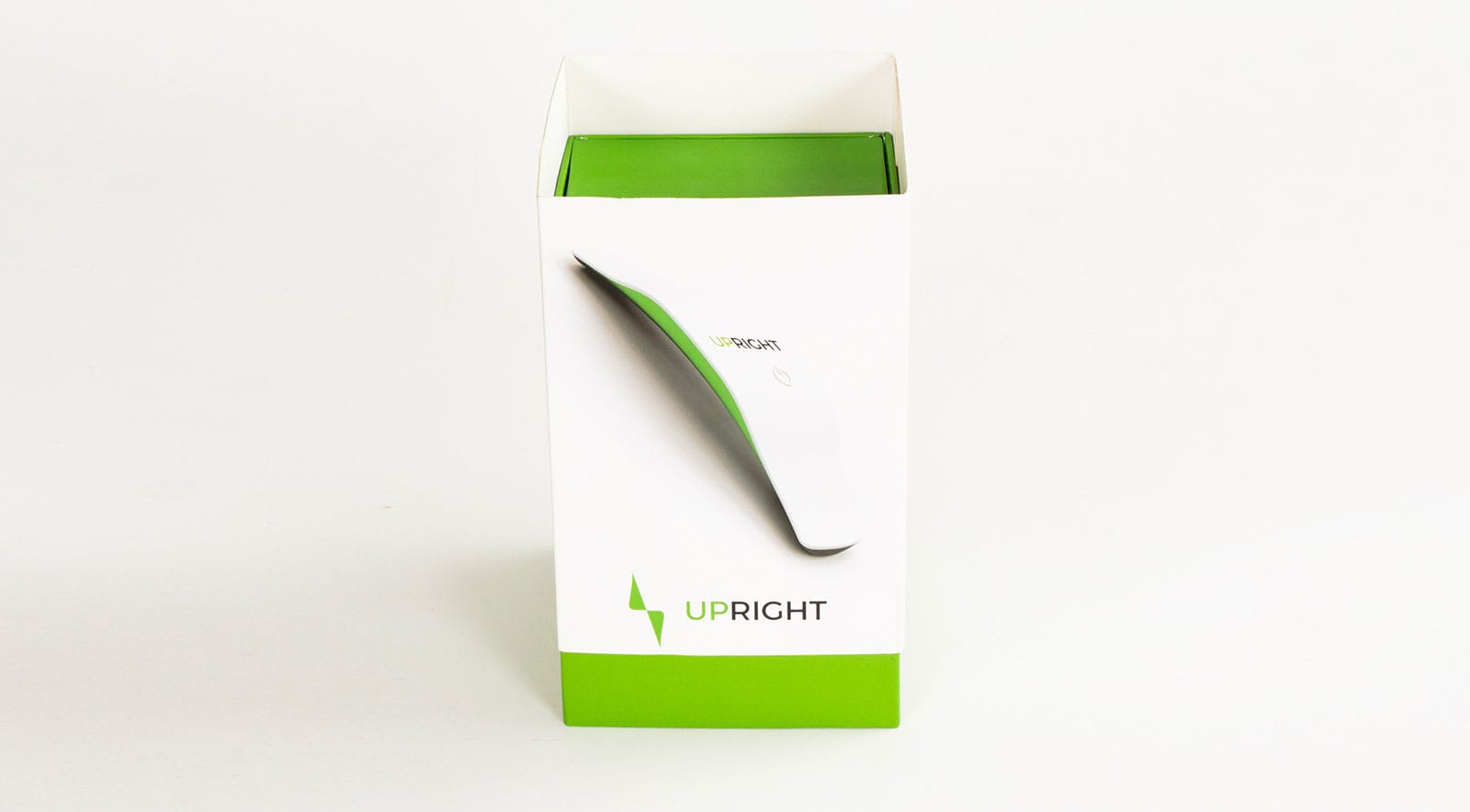
Upright Pose
Packaging & Branding for a Posture-Training Wellness Device
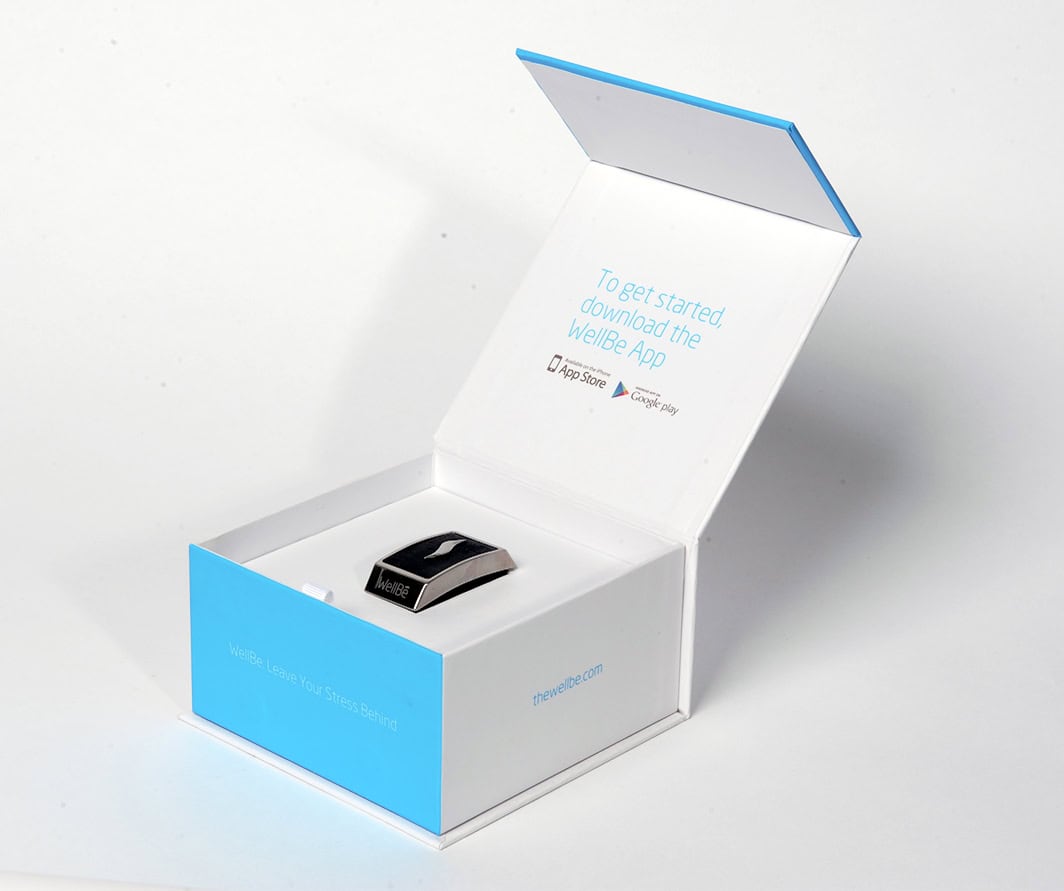
WellBe
Packaging That Breathes Calm

IceCure Medical
Advanced Medical Branding Innovation in Freezing Technology

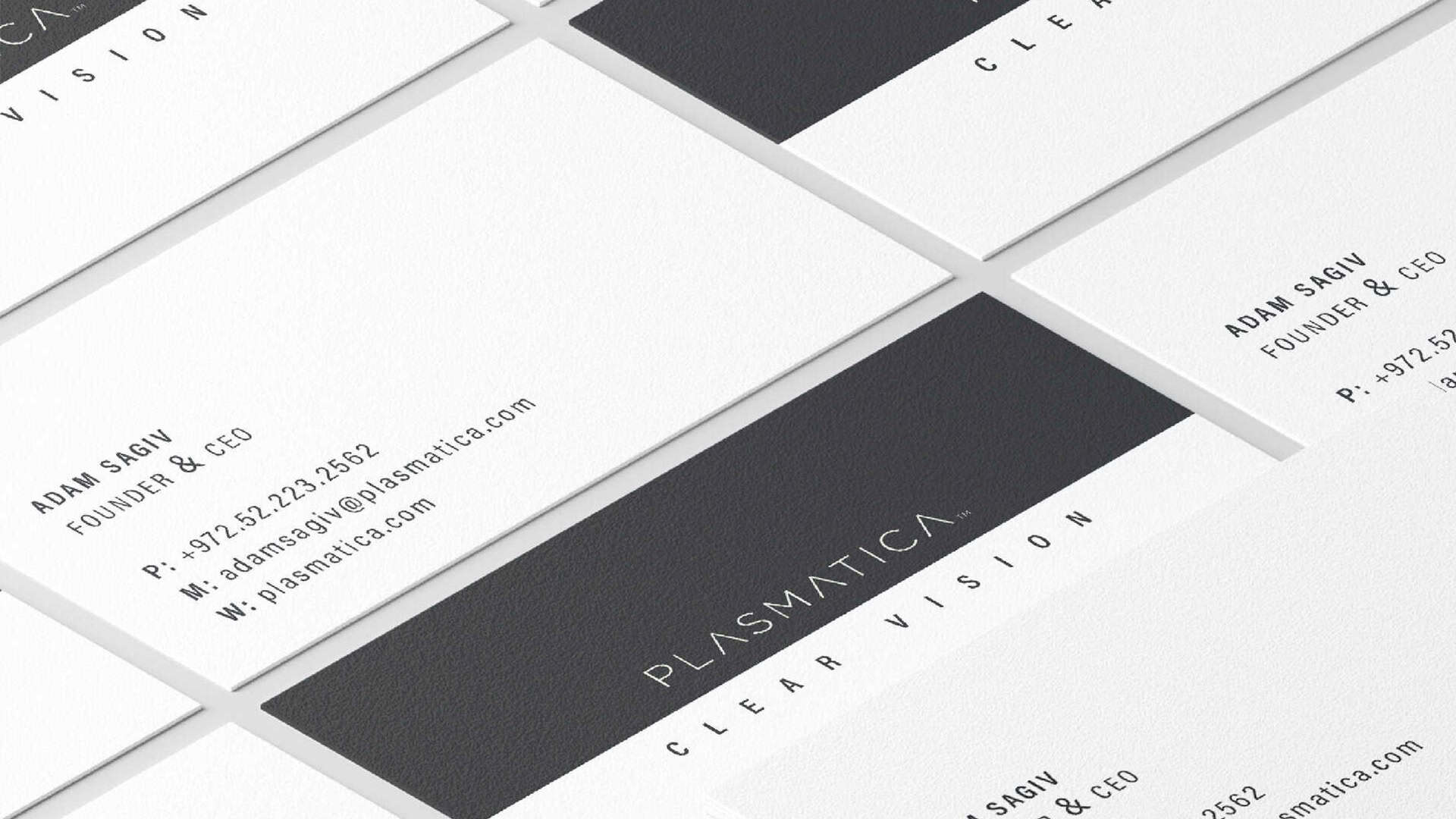
Plasmatica
SAF Infinitum
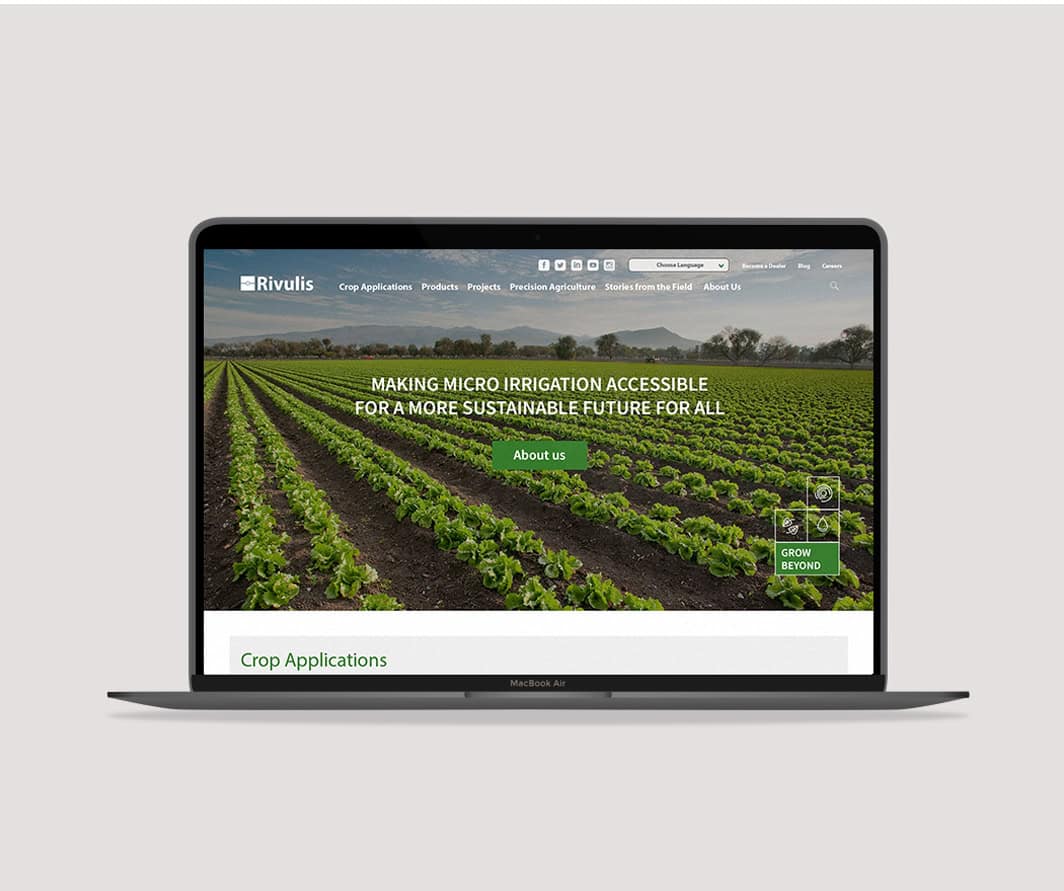
Rivulis
Digital design system
QArt Medical


Why NFH
We believe a good health and wellness brand starts long before design. It starts with a deep understanding of the product, of the people who have to trust it patients, professionals, investors and the regulation it has to meet.
Through NFH Laboratory, we carry the process through: from strategy and positioning, through material language and product appearance, packaging and regulation, to brand presence in the market.
Over two decades of work with global companies, startups, and medical and technology products taught us that in this industry, everything gets checked twice — once in the lab, once by eye.
In this industry, the easiest thing is to look like everyone else. We're not here for easy.
Client Perspectives
View All ReviewsFAQ's
Why is branding especially critical for medical and health products?
Because a medical product enters some of the most vulnerable, sensitive moments in people's lives and in those moments, branding is a tool for building trust, not just aesthetics.
When a medical device enters a treatment room, a hospital, or a user's home, how the brand looks, communicates and functions directly affects the confidence felt by the patient, the clinician, or the home user. Unlike an ordinary consumer product, where disappointment mostly means a lost sale, a lack of trust in a health product can genuinely affect someone's willingness to use something that could actually help them. Branding for medical and health products has to balance two needs that can sometimes seem to pull in opposite directions: conveying seriousness, precision and clinical credibility, while remaining approachable, human, and non-intimidating. A brand that feels too cold or too "clinical" can push users away; a brand that tries too hard to be "cute" can undermine the sense of professional credibility.
At every touchpoint — packaging, product graphics, instructional materials, digital — we treat branding as an opportunity to reinforce credibility and reduce anxiety, not just create a visual impression. We evaluate every design decision through one question: does this increase the confidence of the person using this product at its most meaningful moment? The takeaway Good branding for a medical or health product isn't just "pretty" — it's an inseparable part of the clinical and human experience of the person using it.
What's the difference between packaging design for a medical device and packaging for a regular consumer product?
Packaging for a medical product isn't just a marketing tool it's part of the product's functional system, and has to ensure sterility, protection, and safe, clear use. For an ordinary consumer product, packaging is measured mainly by its ability to grab attention and persuade. For a medical product, packaging has to meet additional, mandatory criteria: maintaining sterility until the moment of use, protecting sensitive or fragile components during shipping and storage, regulatory markings and standards (symbols, warnings, multilingual information for export markets), and sometimes instructions-for-use (IFU) inserts that must be included within the packaging itself.
The environment where the packaging is actually "opened" is also fundamentally different — not always a retail experience, but often a treatment room, a pharmacy, or a hospital shelf, where clarity and speed of recognition matter just as much as aesthetics
Our approach at NotFromHere
For us, packaging structure (structure/dieline) for a medical project is built alongside the functional and regulatory requirements from day one — not bolted on afterward to graphics that were already finalized. We work with the client's regulatory/QA teams to make sure every design choice meets requirements without compromising clarity or visual quality.
Does NFH also support the actual execution of packaging, after the branding and design stage?
Yes. We support the project as one complete whole, from strategy and branding through print-ready/production files and coordination with printers and factories.
One of the things that matters most to us is never "handing over a file and disappearing." Design that looks perfect on screen can fail in actual production without close support: color matching between screen and print, a material that doesn't behave as expected, or a problem that only surfaces at the physical sample stage. For medical products, the risk is even greater a production error can compromise not just aesthetics but sterility or regulatory compliance. Production support includes sample checks, color approval (Pantone), presence at the press check, and coordination with the factory to make sure the final product matches exactly what was approved during design.
Do you work with HealthTech startups as well as established medical device companies?
Yes, our client range spans startups at their first product stage (like SAF Infinitum, WellBe, and Upright Pose) to established international companies with full product lines (like IceCure Medical and My Heritage).
With startups and growth-stage companies in HealthTech and Wellness, the project is usually building an identity from scratch ahead of a first launch where speed and strategic precision matter most, since there's no second chance at a first impression with investors, regulators, and customers, and the budget is usually tighter. With more established medical device companies, it's usually refreshing an existing brand, expanding a product line, entering a new export market, or adapting branding to changed regulatory requirements.
The main difference between the two isn't the quality of the work it's the scope of involvement, the pace of decision-making, and the regulatory maturity stage each side is at.
We adapt pace, service scope, and pricing structure to the client's size and maturity stage a startup doesn't get a "shrunk," lower-quality process, but one focused precisely on what's critical at their current stage, whether that's fundraising, initial regulatory clearance, or commercial launch.