


Packaging design & branding
More then packaging design. More then unboxing. The place where strategy, product, manufacturing, and the unboxing experience come together.
At NotFromHere brand agency we don't start with the design. We start with understanding the bigger picture.
Strategy, structural design, materials, manufacturing, logistics, and the unboxing experience are developed as one integrated system, where every decision influences the next.
The result is more than packaging that looks right. It’s a process designed to create certainty. From the first idea to final production.
Where Strategy Becomes Physical
Packaging is more than protection. It’s where brands become tangible.
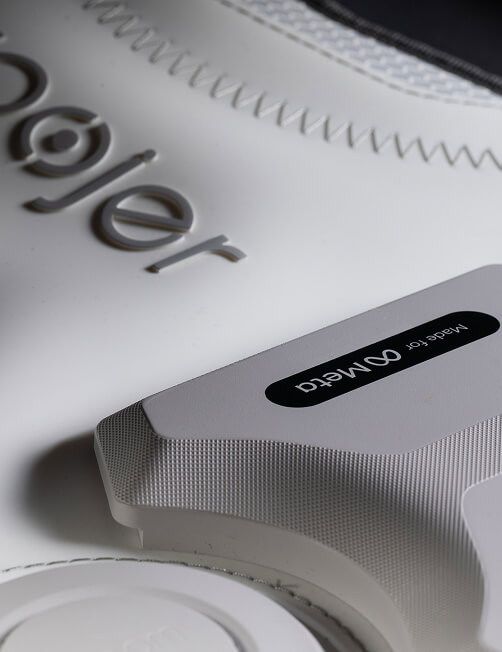
Packaging Strategy & Brand Experience
Packaging is the first point of contact between the brand and the user. We design packaging systems that connect between brand strategy, user experience, structure, materials, and the moment of opening, to create a higher value perception and strengthen the connection with customers over time. Packaging is the first point of contact between the brand and the user. We design packaging systems that connect between Brand strategy, User experience, structure, materials, and the opening moment, to create a higher value perception and strengthen the connection with customers over time.
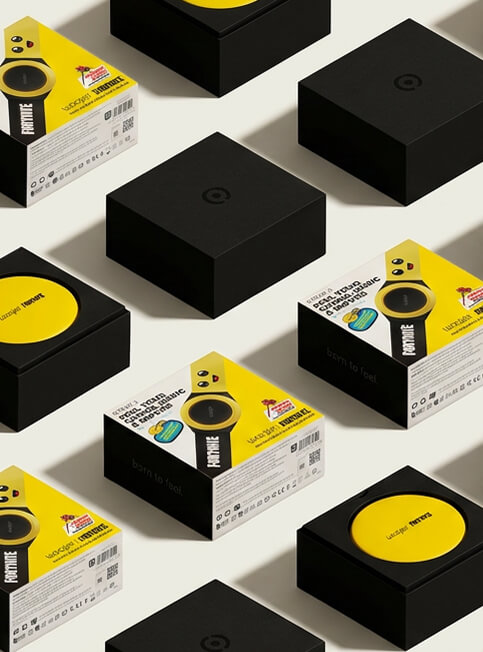
Structural Packaging Design
Every packaging structure is developed to balance user experience, product protection, manufacturing efficiency, logistics, and scalability. Our structural packaging solutions are engineered for production, shipping, retail performance, and long-term business value.
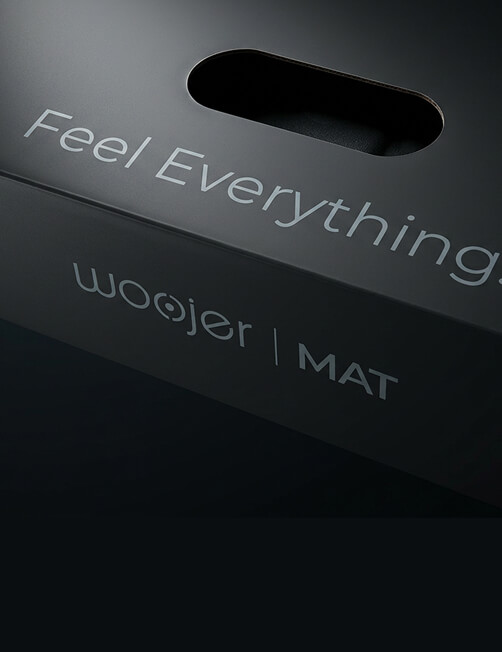
Memorable Unboxing Experiences
Unboxing is part of the product experience. We design opening experiences that create emotion, reinforce premium perception, encourage organic social sharing, and transform packaging into a memorable brand touchpoint.
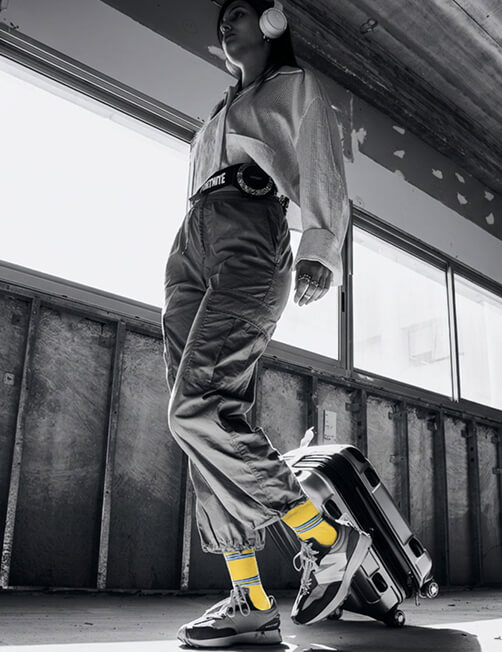
Packaging That Drives Business Growth
Great packaging does more than protect a product. It increases perceived value, builds trust, strengthens retail performance, differentiates your brand, and supports growth across retail, e-commerce, and direct-to-consumer channels.
The Packaging Journey: From idea to production
Great packaging is the result of hundreds of thoughtful decisions. We guide the entire journey, from packaging strategy and structural planning to design, production, and manufacturing—so every detail works together as one cohesive system.
01
Packaging Strategy
Where the most important decisions are made.
- Product and brand positioning
- Packing strategy andUser experience
- Structural concepts and opening mechanisms
- Materials and manufacturing planning
- Logistics, retail, and shipping considerations
02
Design & Development
Ideas become physical packaging.
- Graphic and structural design
- Prototype development
- User testing and unboxing experience
- Production optimization
- Manufacturing-ready artwork
03
Production & Manufacturing
Production Supervision & Manufacturin
- Global manufacturing partners
- Production management
- Quality control
- Print and finishing supervision
- Delivery and logistics support
We do:_____________________ & so more
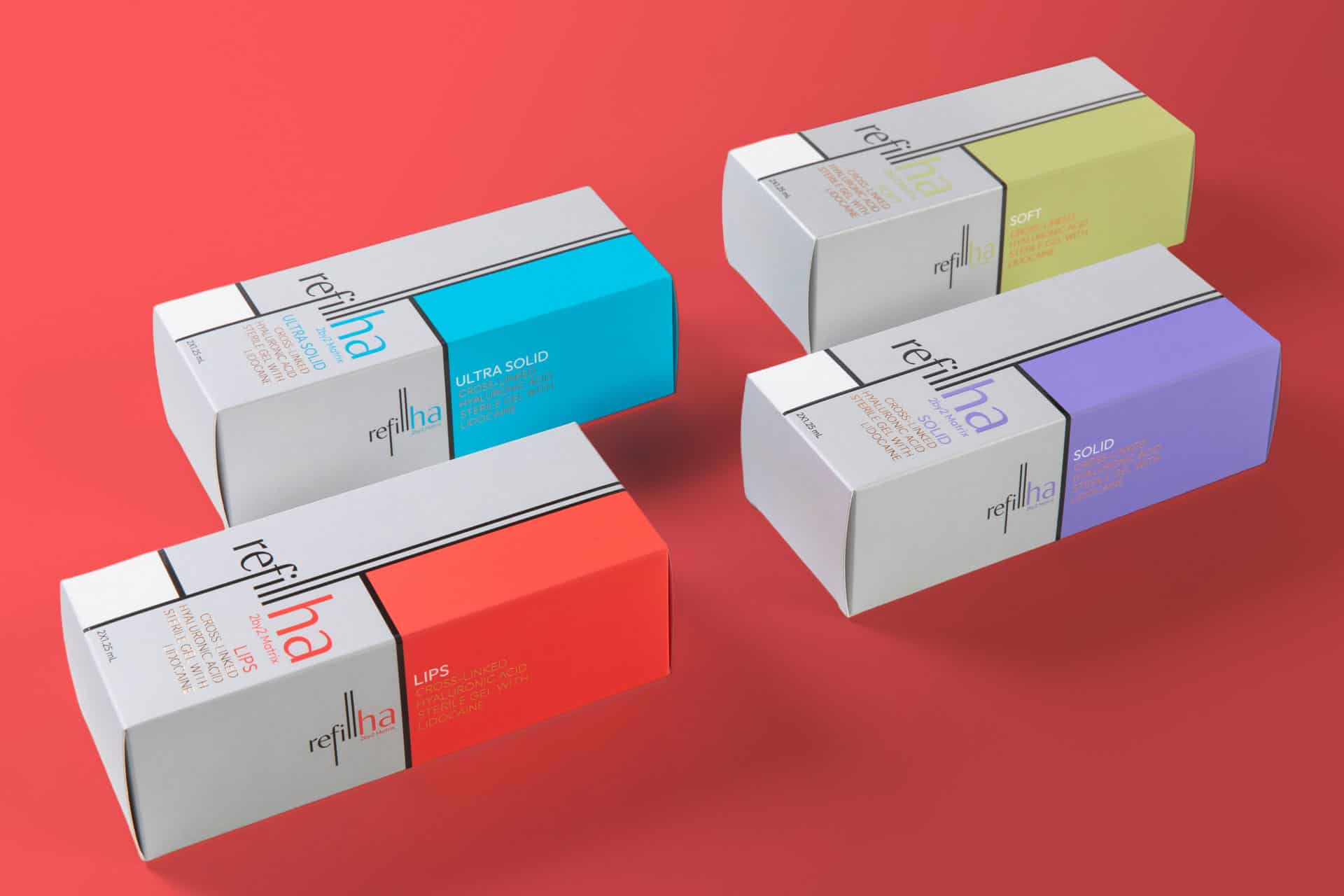
Refillha
Branding and packaging design for RefillHA, an advanced aesthetic technology brand entering the medical aesthetics market.
Woojer MAT
Strategic guidance and launch for Woojer MAT's new product category, from positioning and category creation through packaging and launch. Wellness in motion

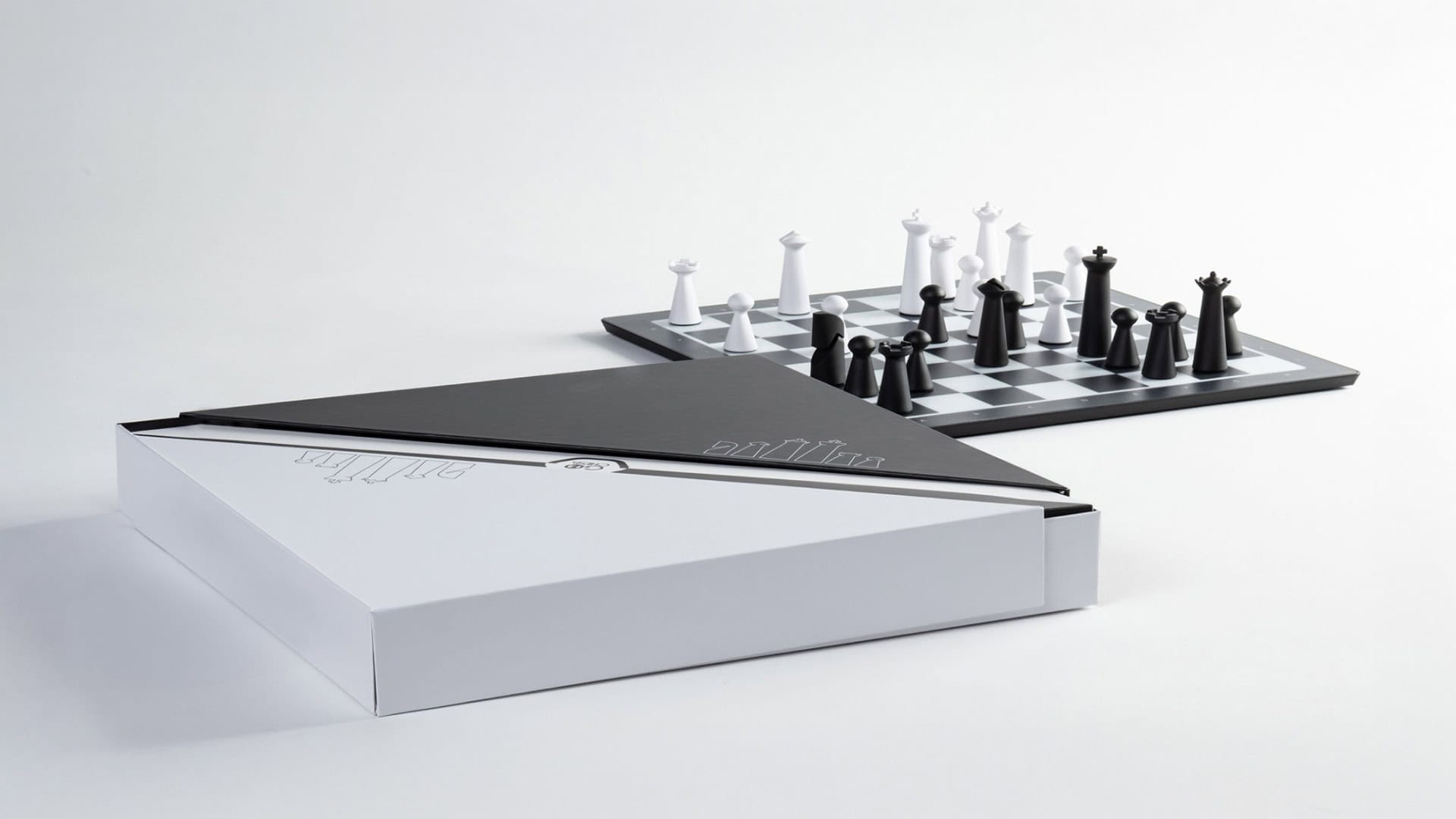
GoChess
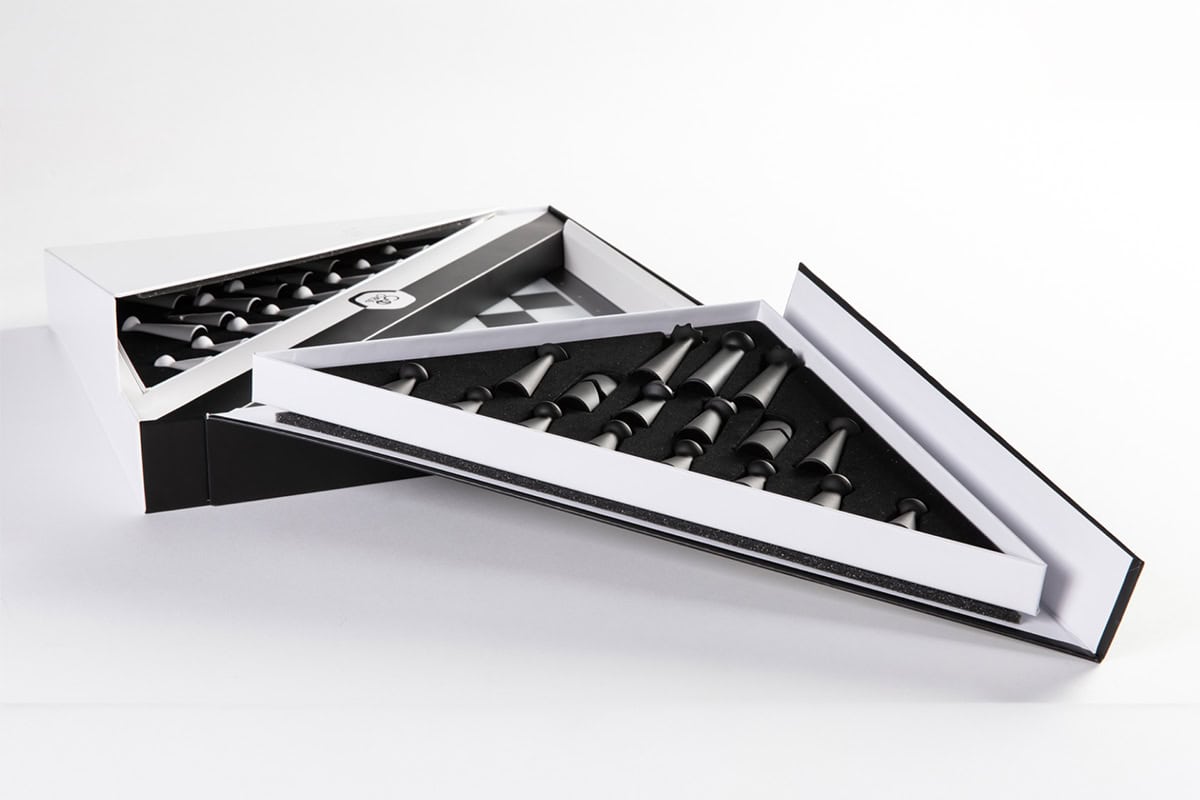
Packaging design for GoChess by Particula, the world's leading smart chess board.

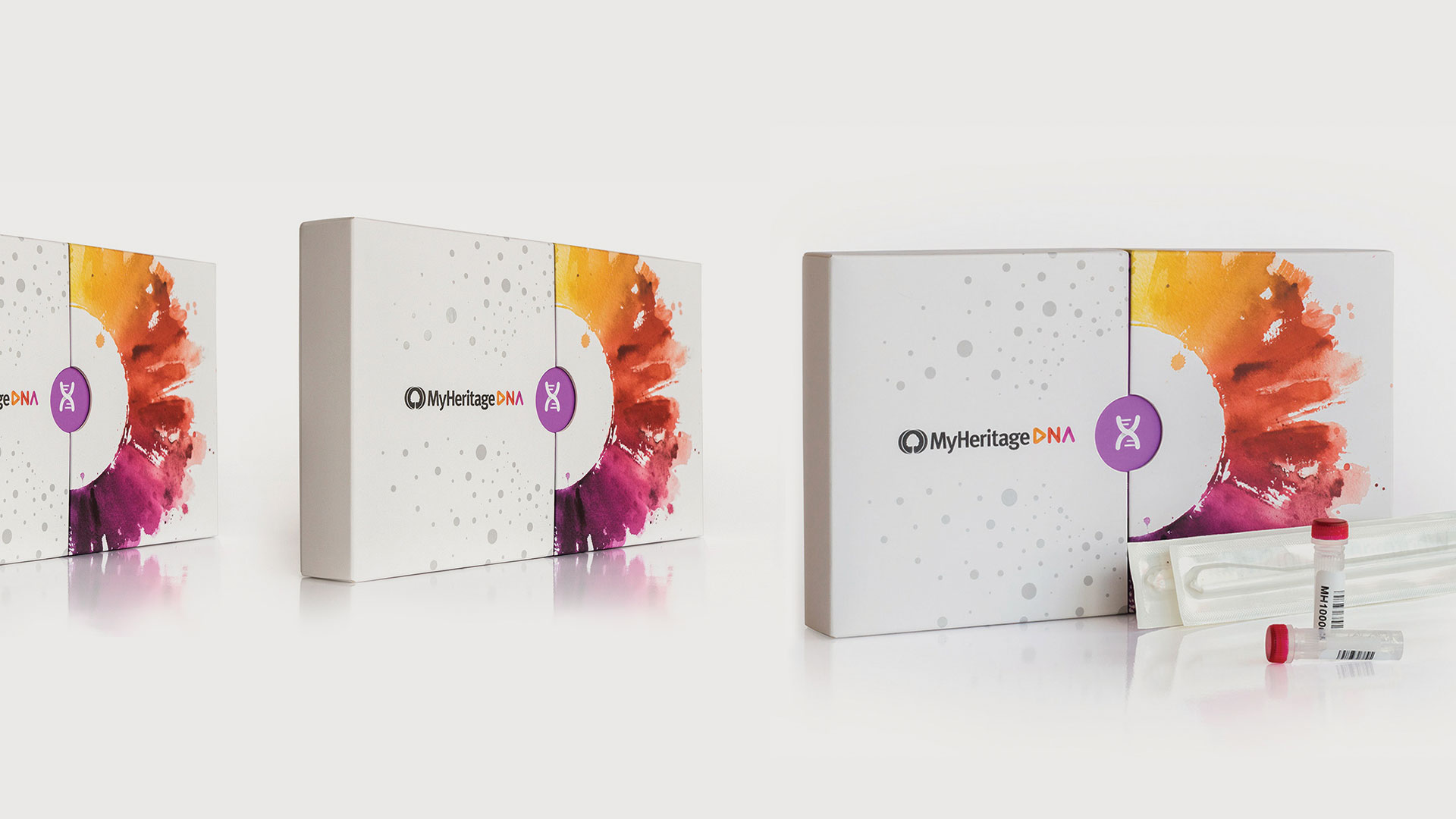
MyHeritage DNA Kit
Packaging design for MyHeritage's DNA testing kit, the Israeli hi-tech company for discovering and preserving family history.
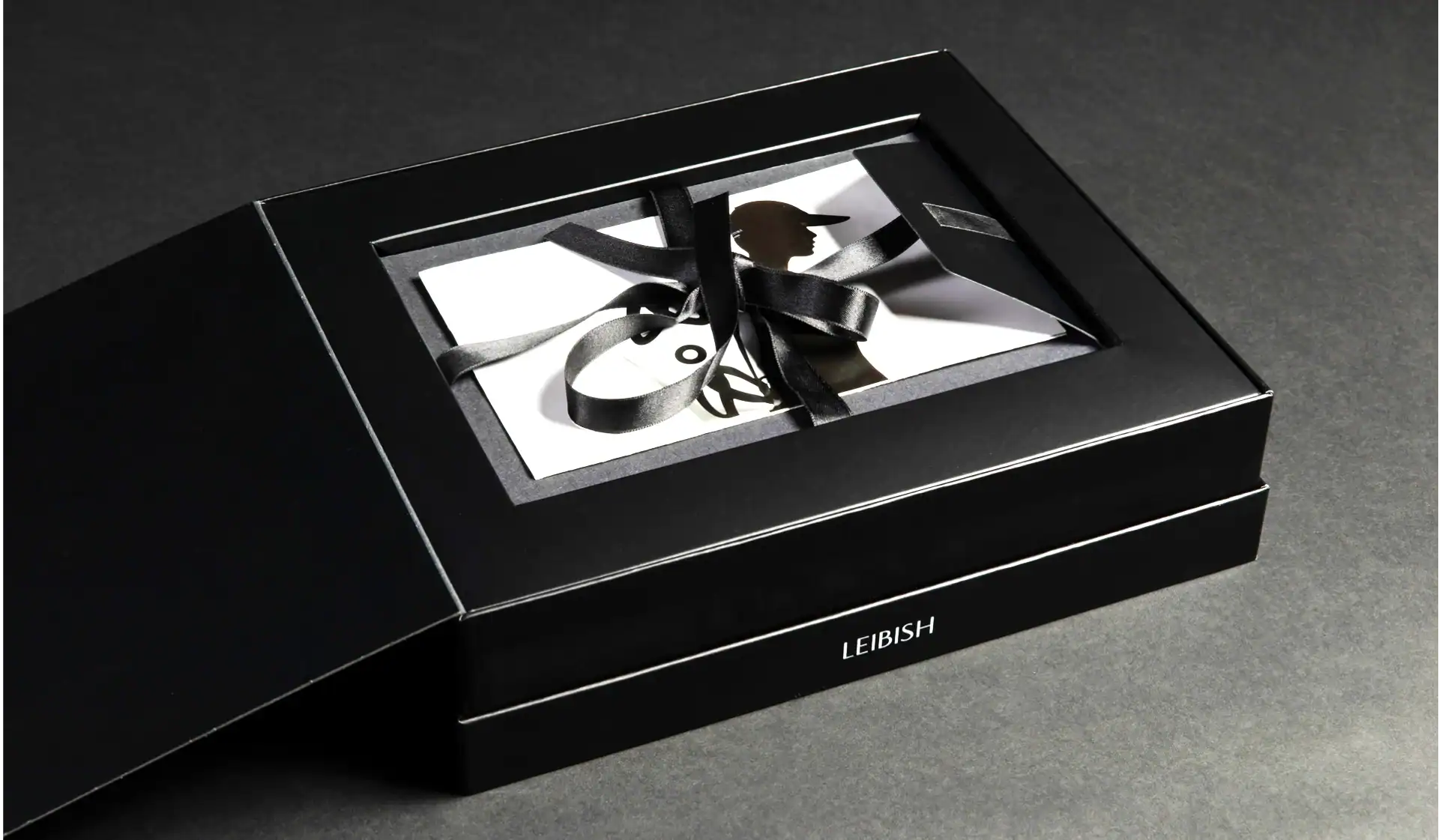
Leibish Fancy Colored Diamonds
Packaging design for Leibish, an international luxury brand specializing in rare colored diamonds.

Woojer | Vest3
Packaging design for Woojer Vest3, a haptic feedback vest that translates sound into physical sensation.

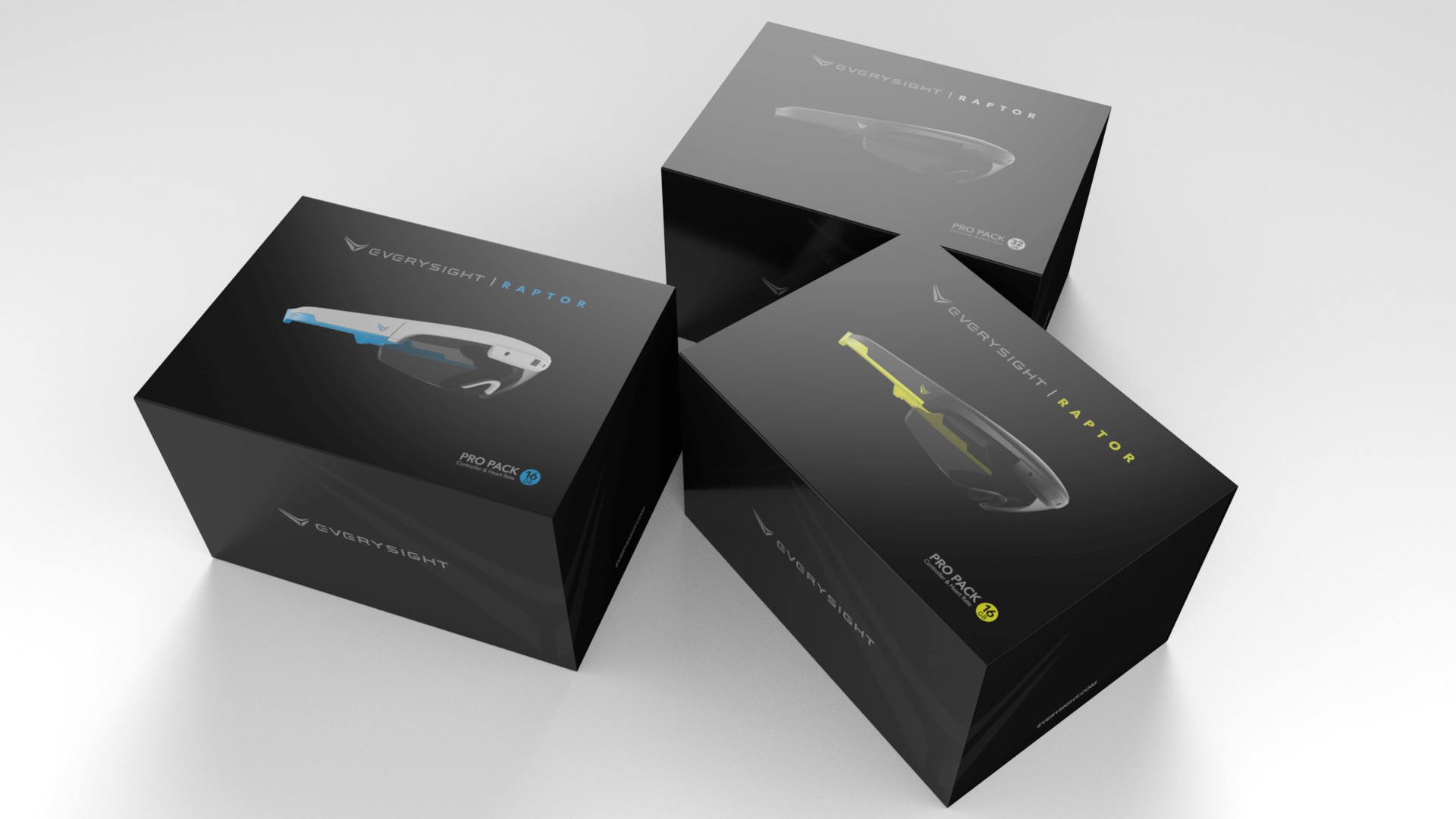
Everysight | Raptor
Packaging design for Everysight's Raptor smart cycling glasses, co-brand with BMW, displaying real-time performance data.
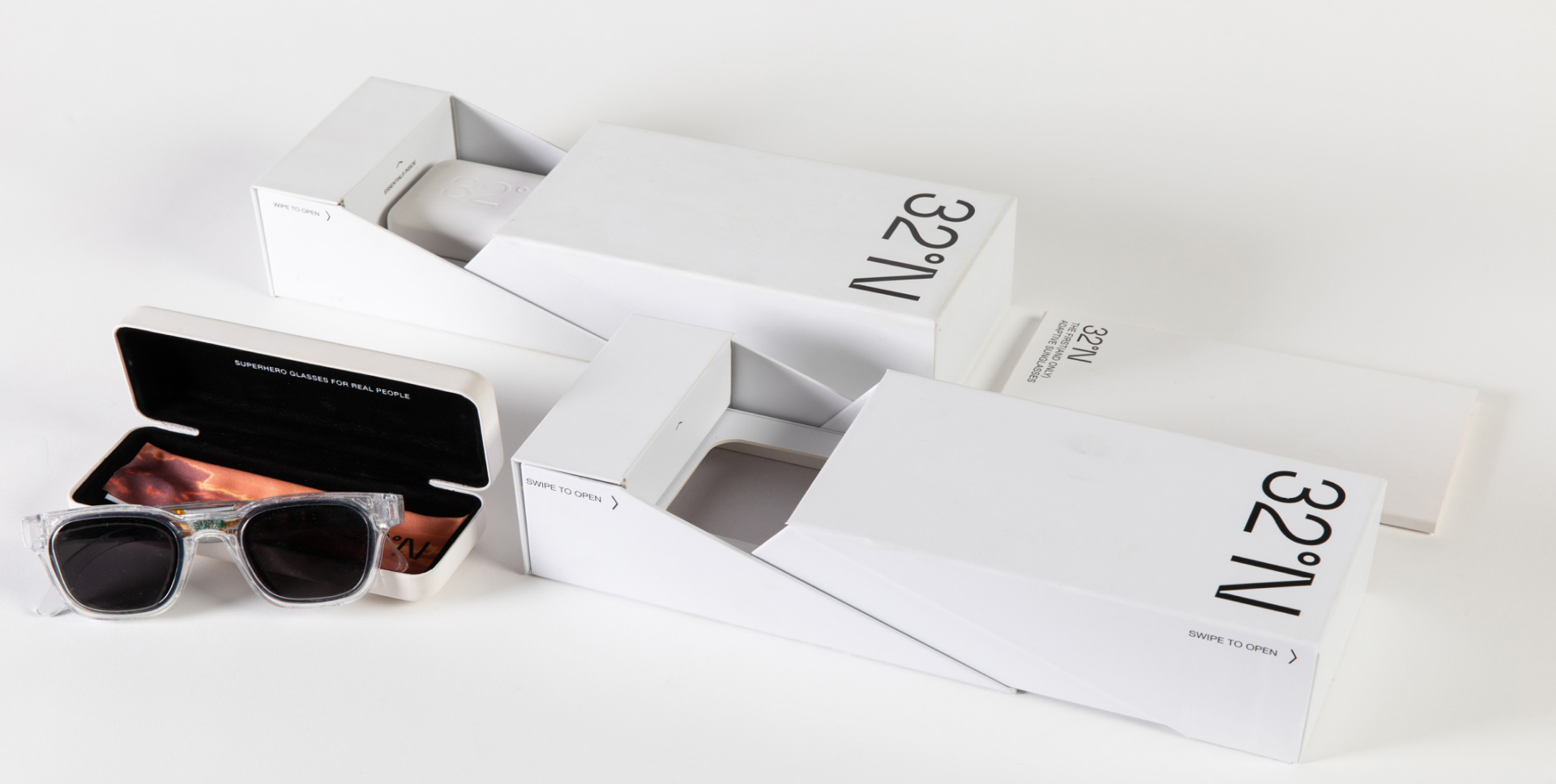
32N
Rigid packaging design for 32N by Deep Optics, smart sunglasses an awards winning package design.

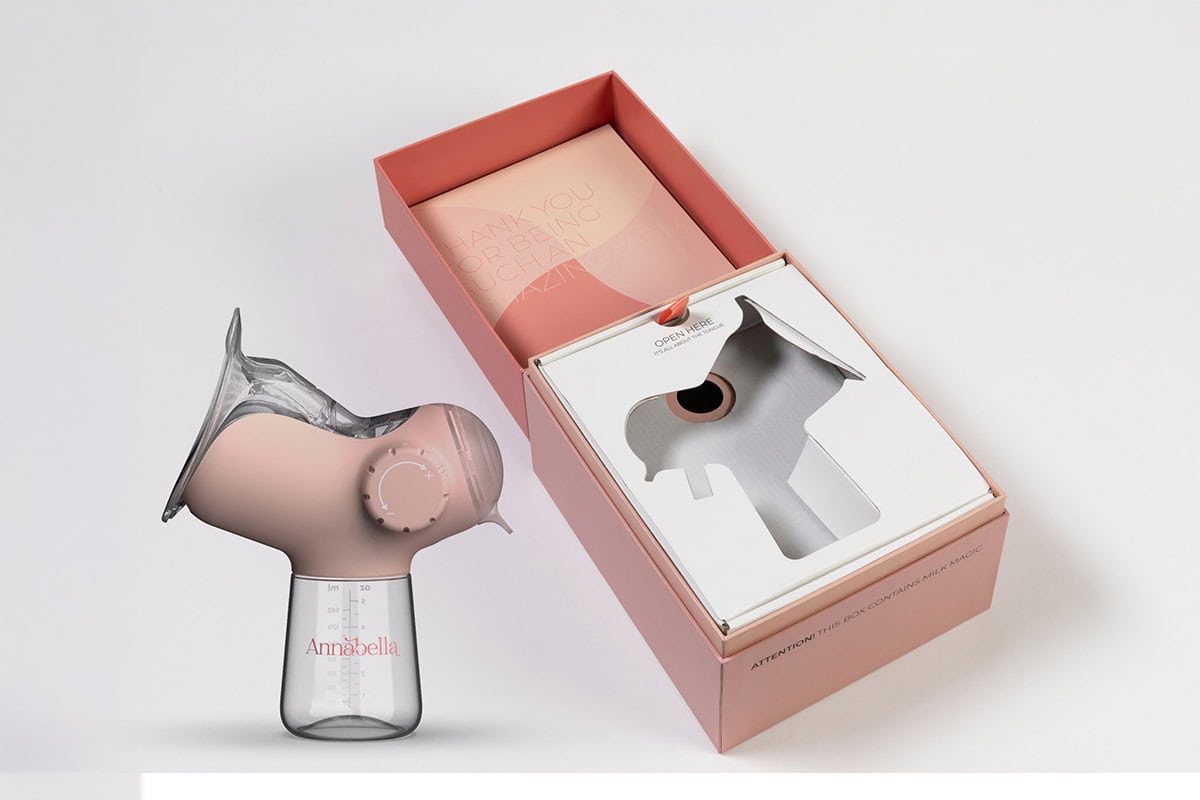
Anabella x NFH
Branding and packaging design for Anabella, a women's intimate health product. Development of design system for the Anabella brand.

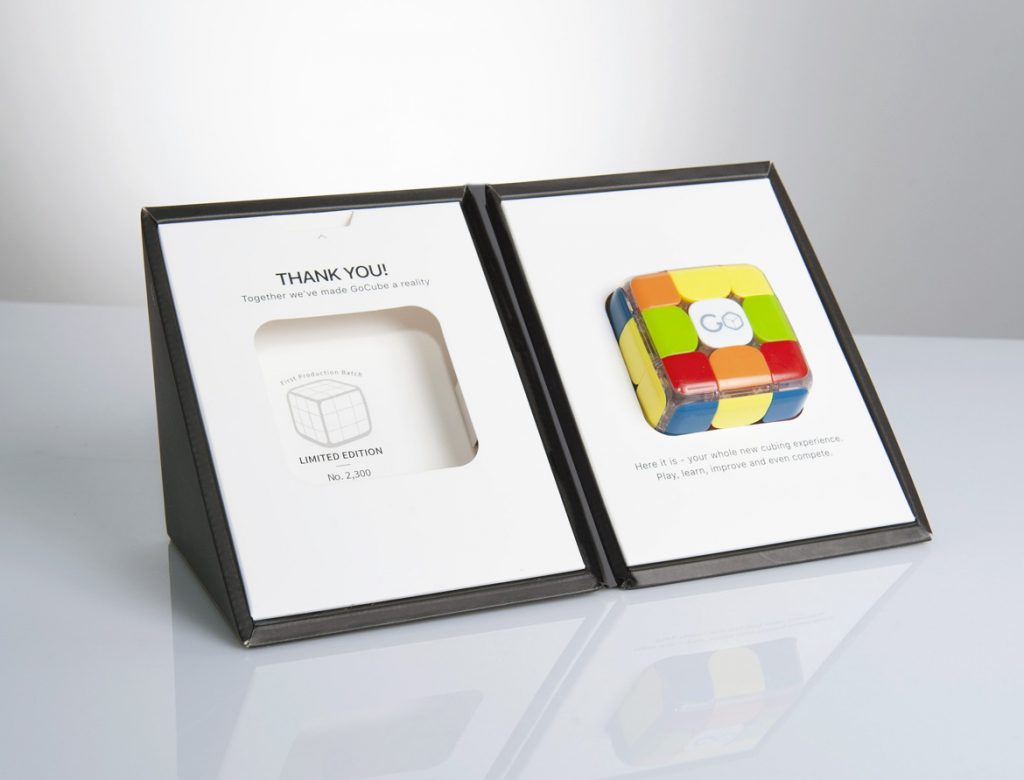
GoCube
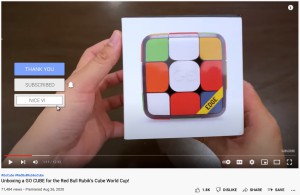
Packaging and unboxing design for GoCube, awards weaning package of the world's leading smart Rubik's-style cube.

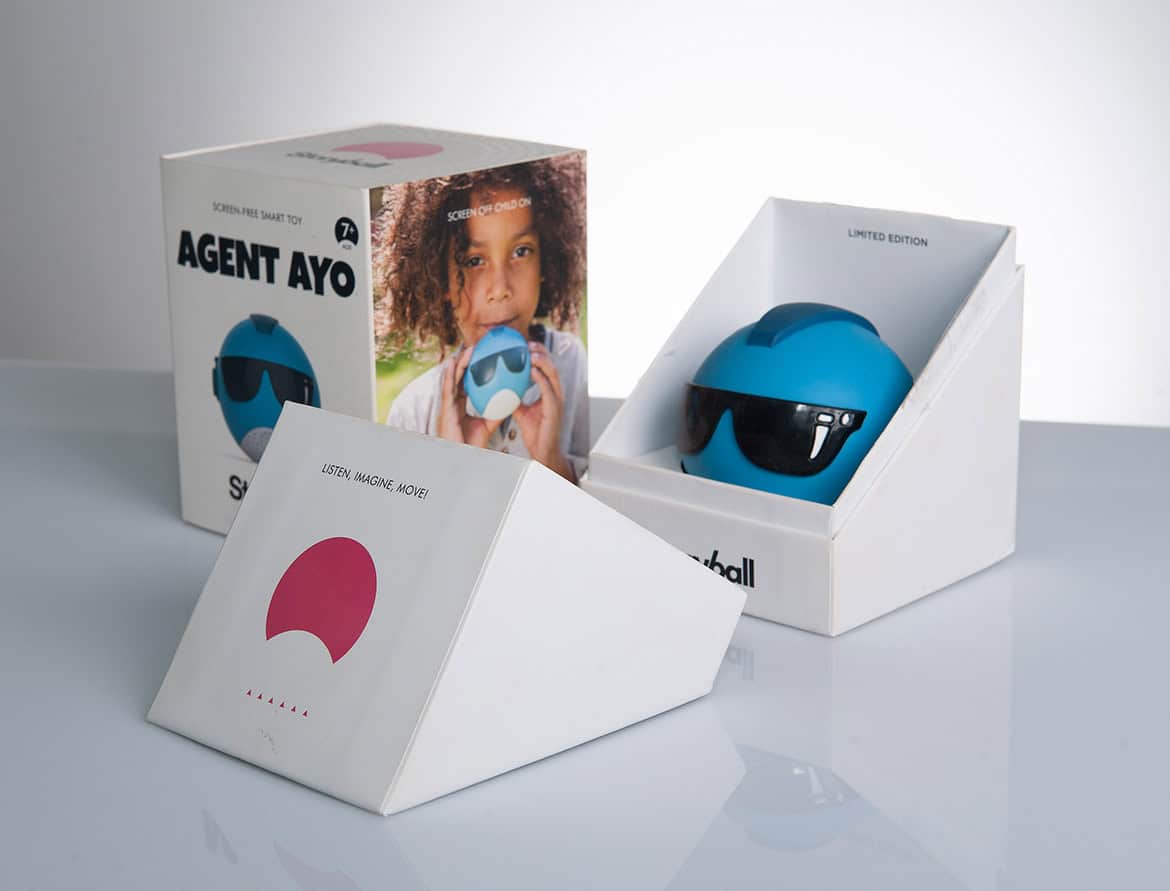
StoryBall
Rigid packaging design for StoryBall, a smart toy blending storytelling, creativity, and technology for children's education.

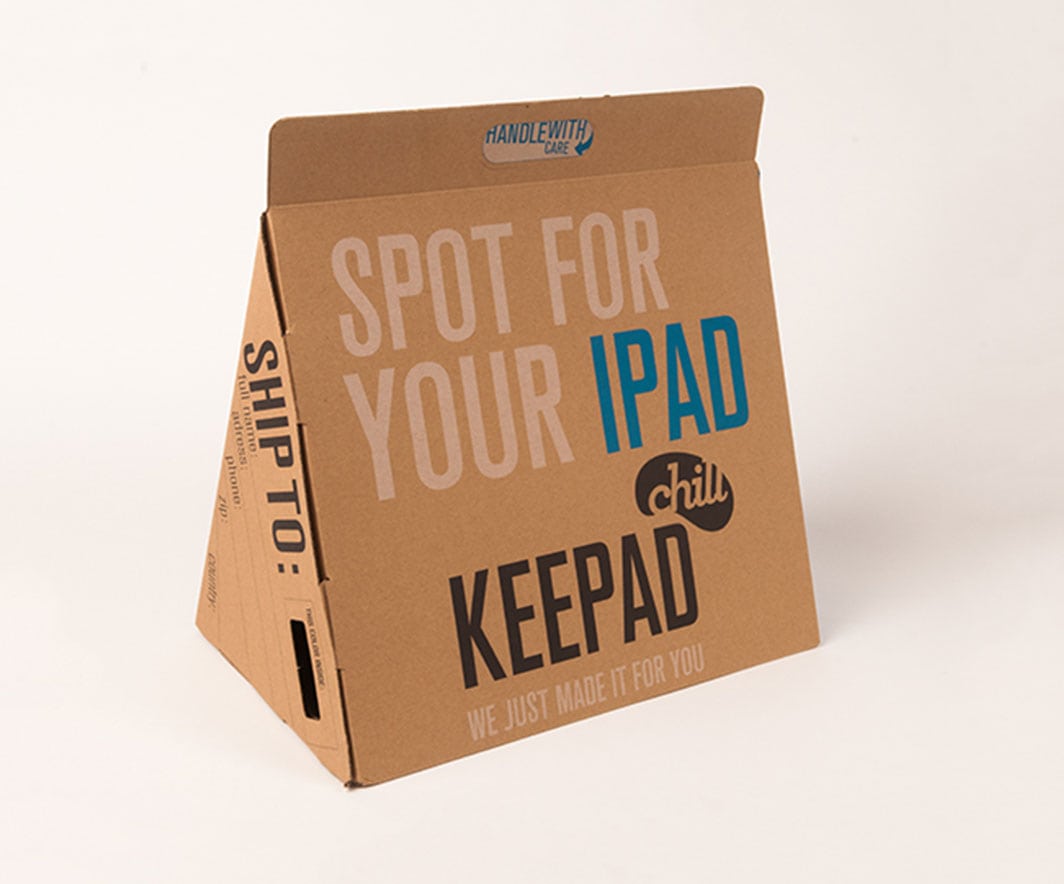
KeepPad
Packaging design for KeepPad, a young, fashion-forward brand of functional home accessories, shaped to echo the product itself.

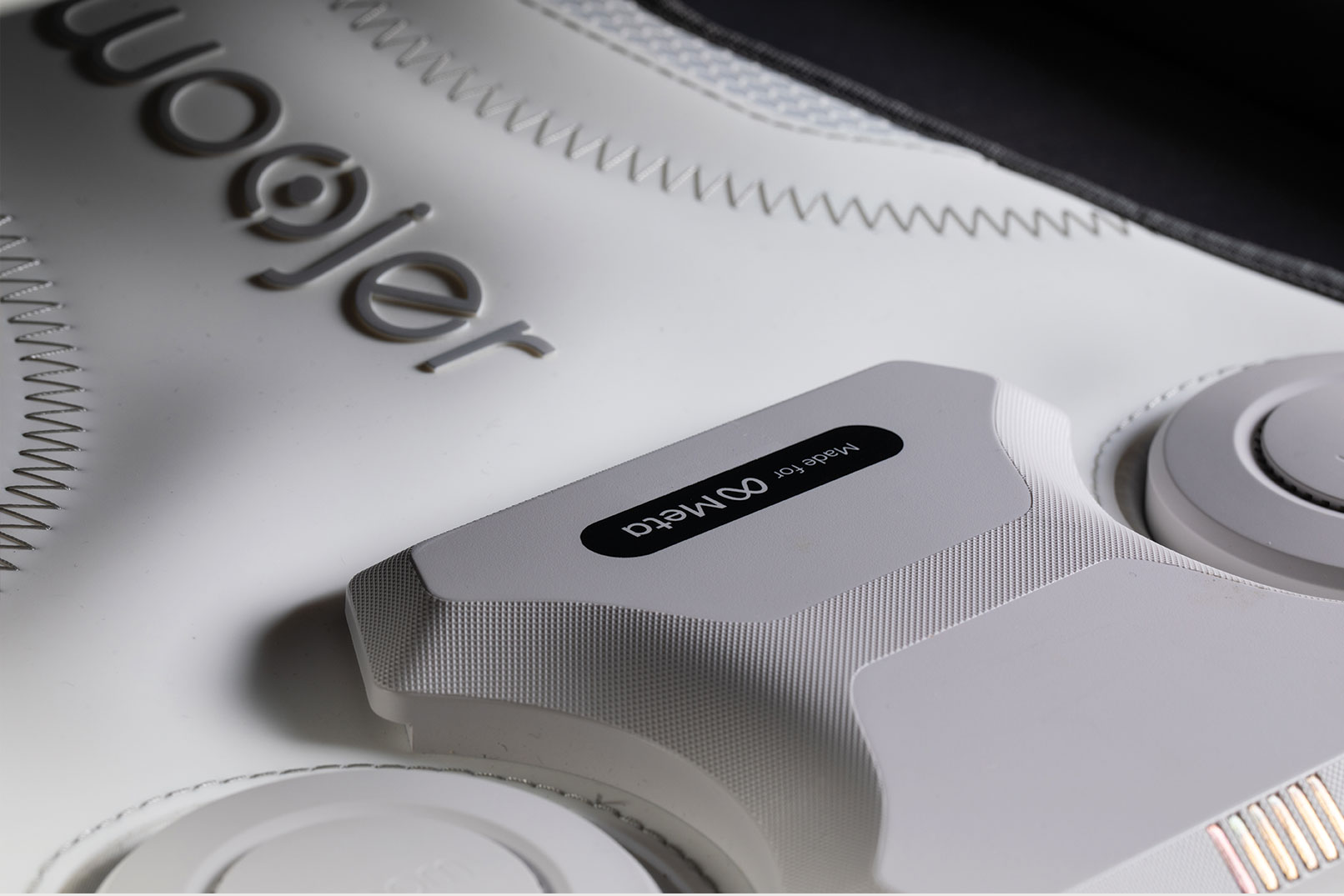
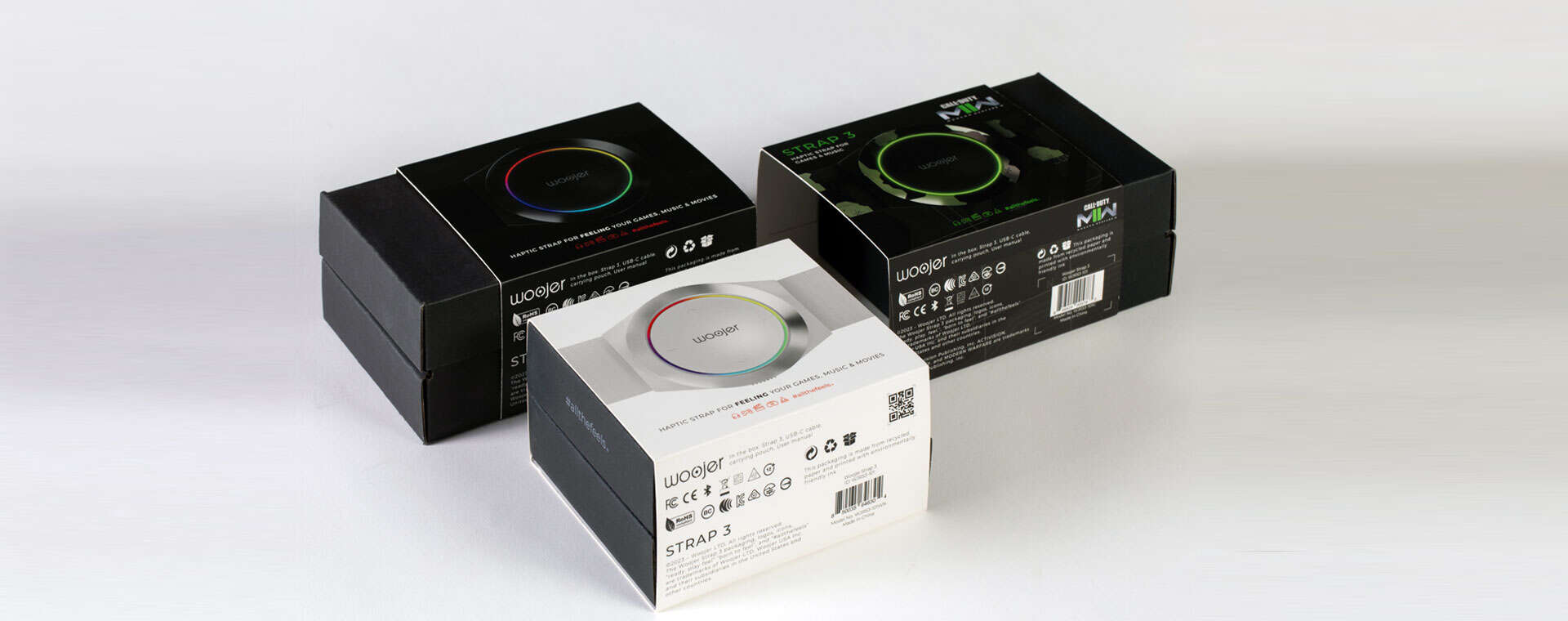
Woojer | Strap3
Packaging and unboxing design for Woojer Strap3, Collabs with world leading brands Meta, Call Of Duty & Fortnite.

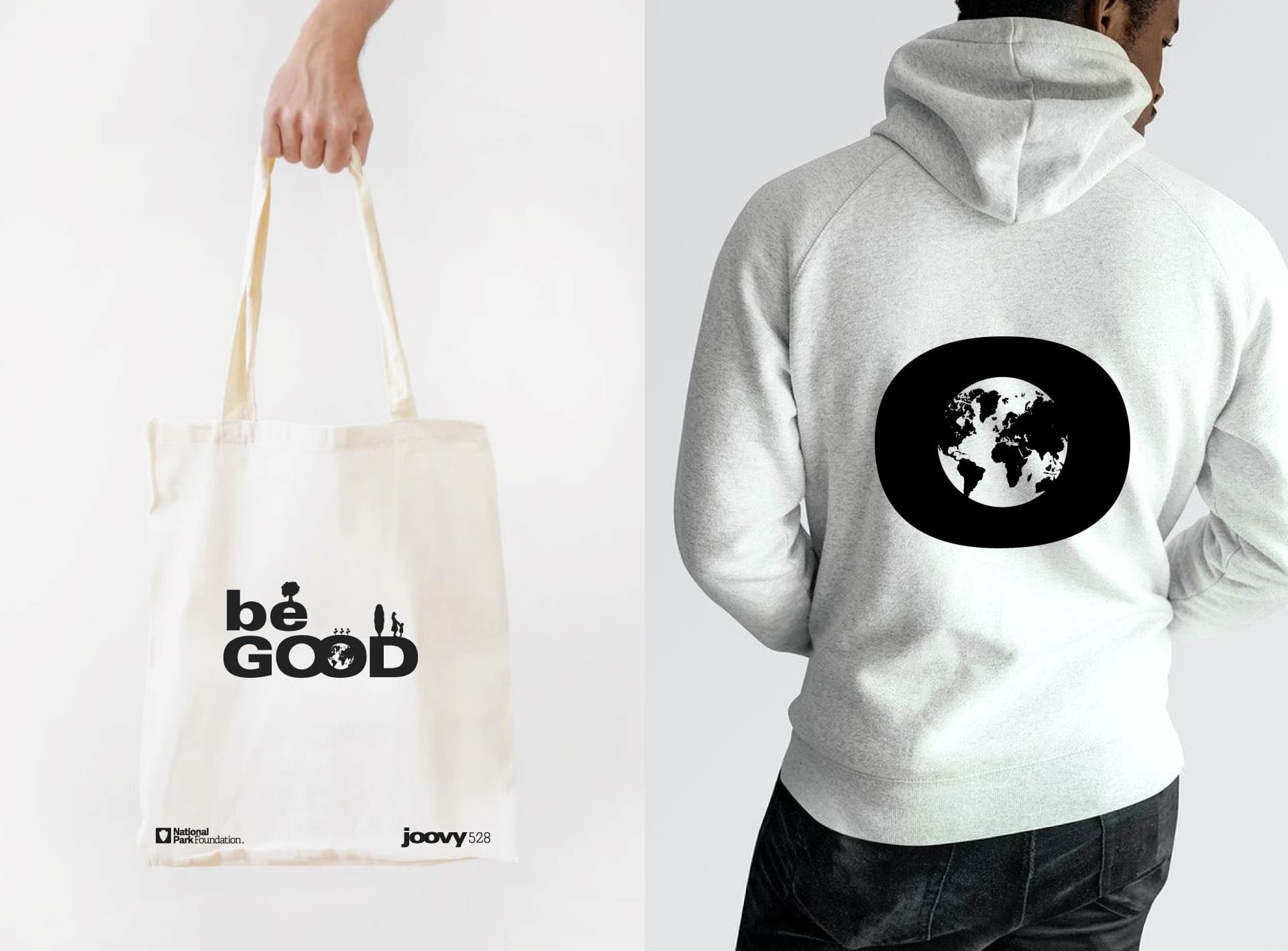
Joovy & National Park collection
Collab between Joovy, and the National Park Foundation

Lifebuoy
Branding, visual identity and packaging design for Lifebuoy, a smart pool safety alarm system.

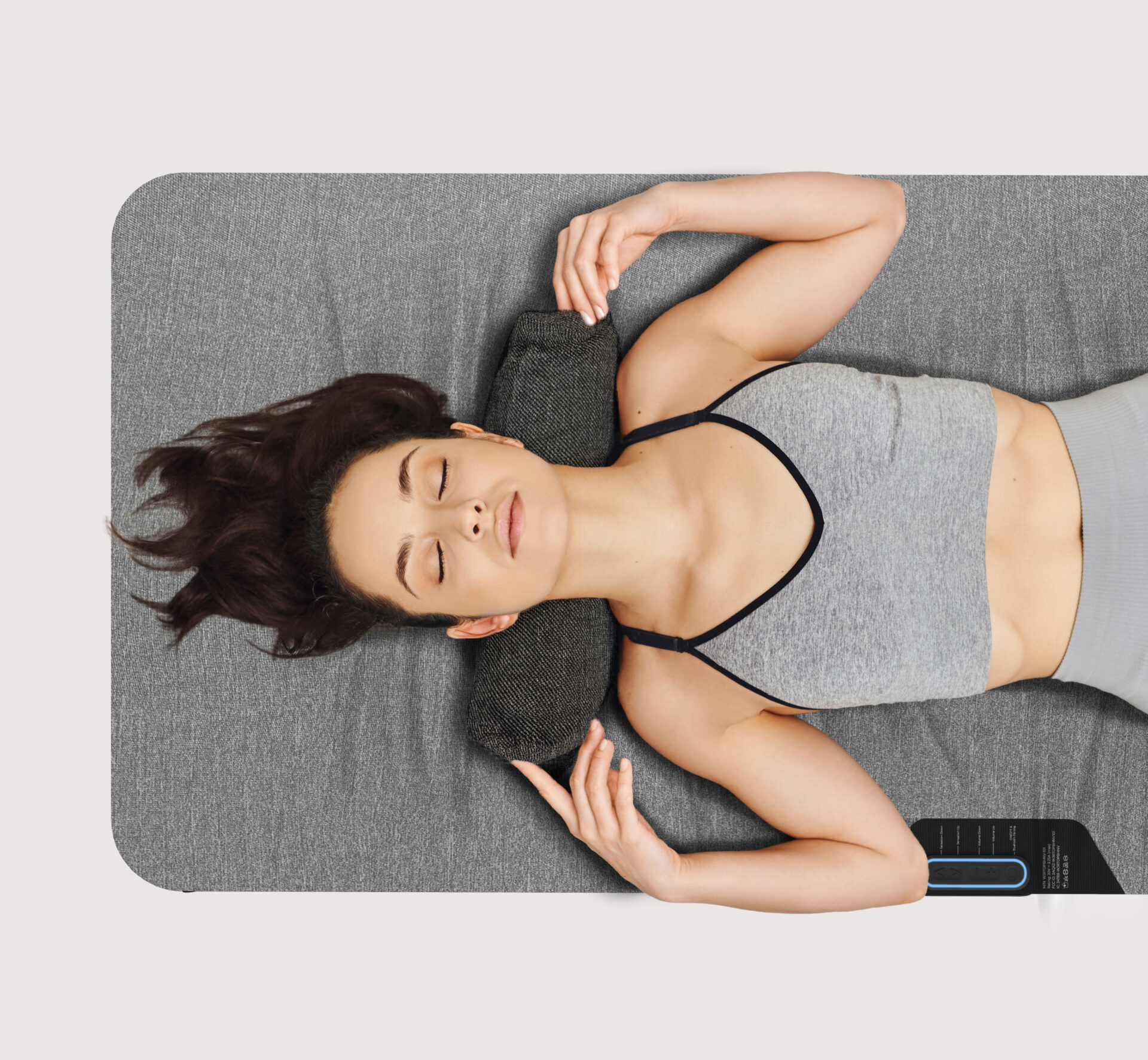
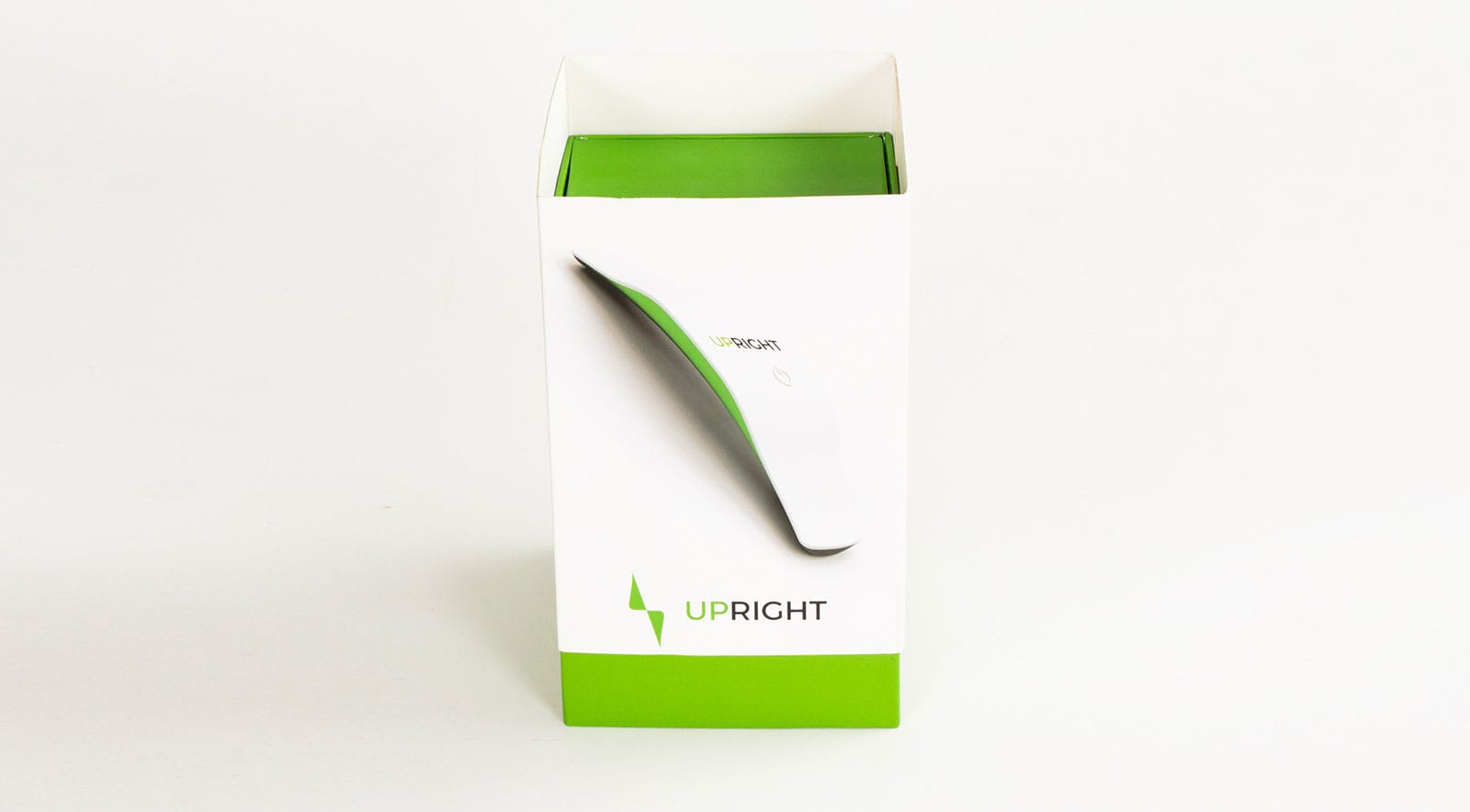
Upright Pose
Packaging & Branding for a Posture-Training Wellness Device

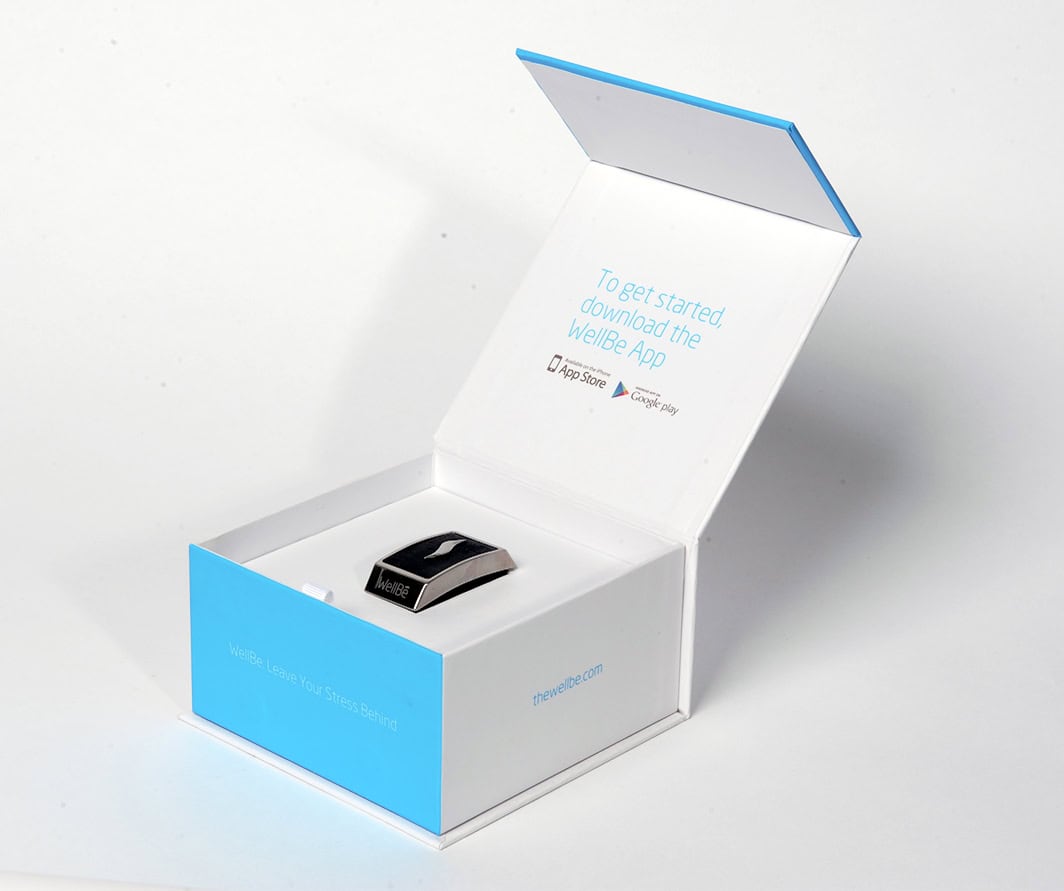
WellBe
Packaging design for retail and In-flight duty-free WellBe, a smart stress-reduction and mindfulness wearable, translated into precise design from the very first touch.

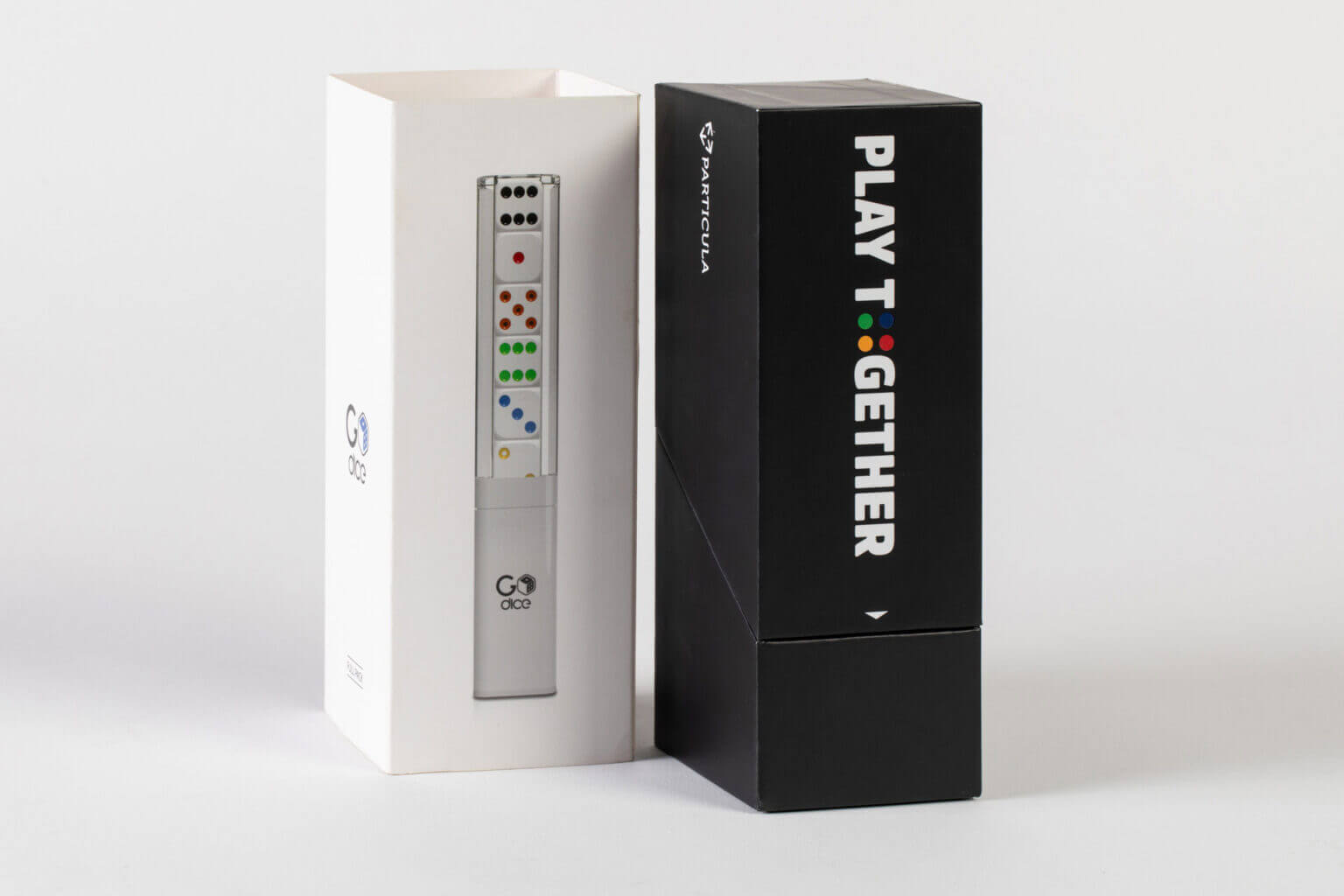
GoDice
Packaging and unboxing design for GoDice by Particula, a game of Bluetooth-connected smart dice.

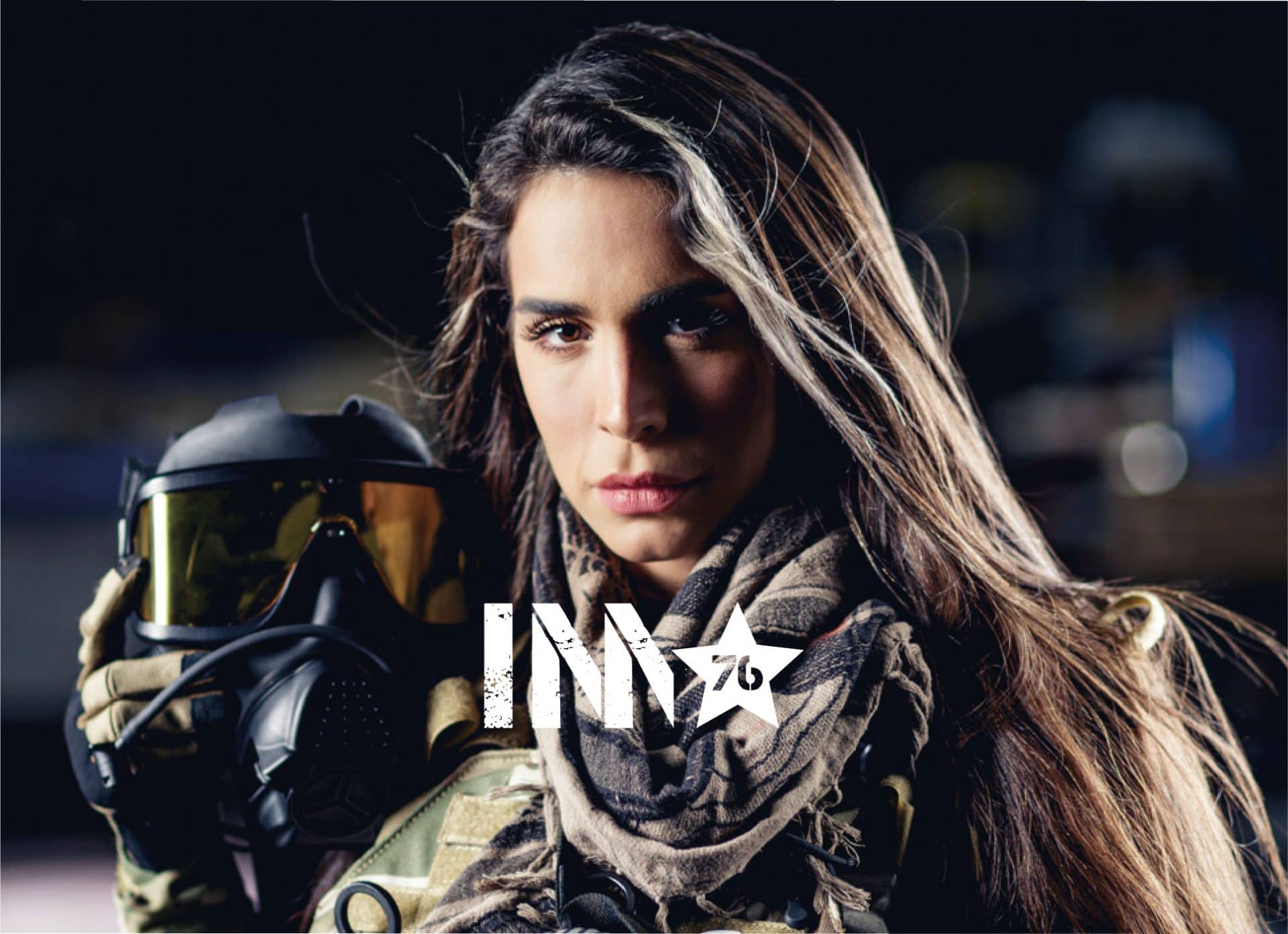
IM76
Full Brand system and packaging design for IM76 by Impertech, a defense company developing advanced protective equipment for militaries worldwide.

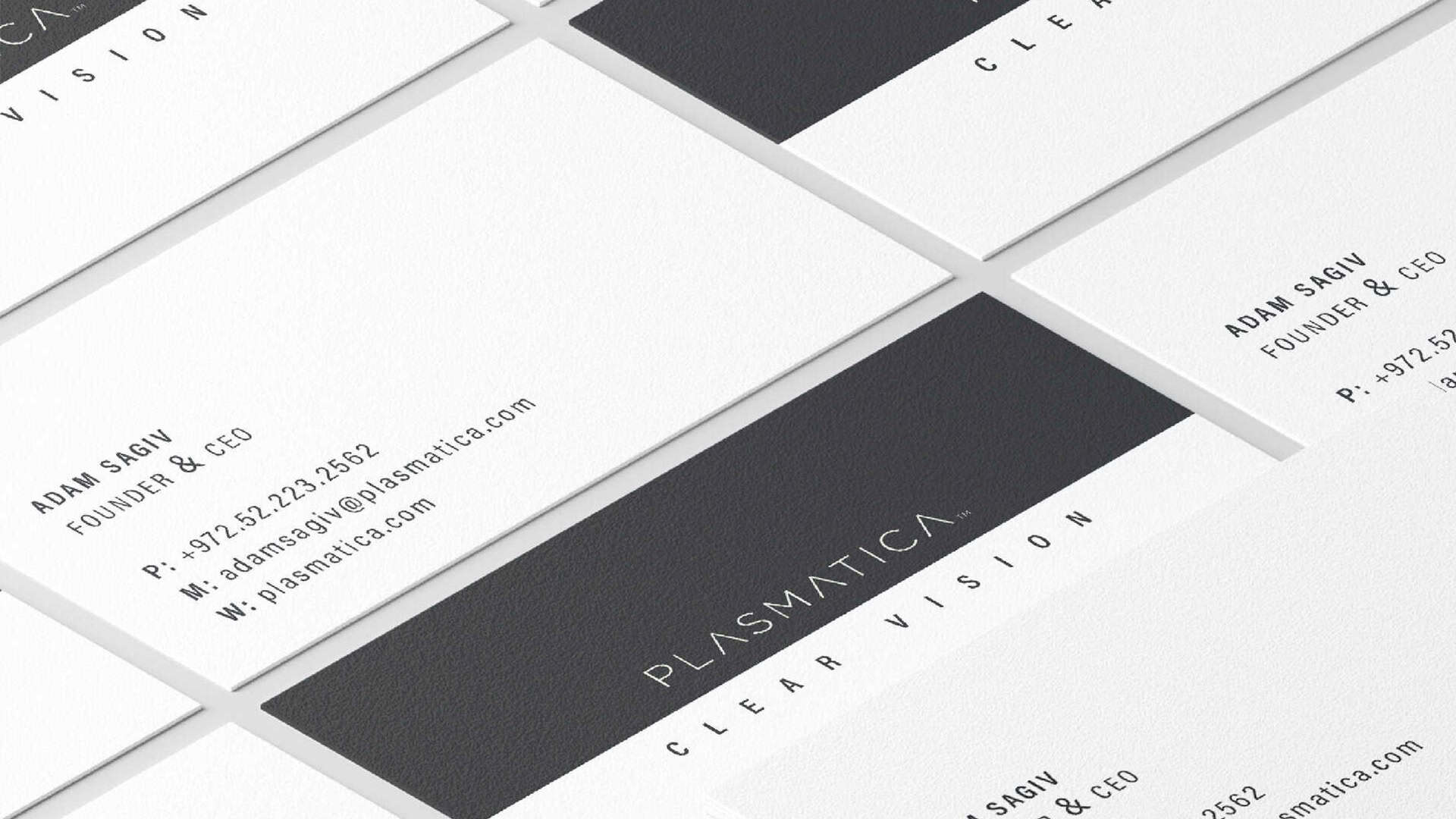
Plasmatica
New brand identity an packaging design for Plasmatica, a technology startup developing an advanced solution to assist surgeons in the operating room.
SAF Infinitum
Branding, visual identity, and packaging design for SAF Infinitum by Redent Nova, developer of an innovative dental medical technology .
Joovy
Rebranding for a leading company in the field of children's products
101Cafe
Branding for a coffee brand


Why NFH
We believe great packaging begins long before design. It starts with a deep understanding of the product, the people who will use it, the manufacturing process, and the business goals it is meant to achieve.
Through the NFH Laboratory, we guide the entire journey from strategy and concept development to structural design, materials, unboxing experience, production management, and final manufacturing. More than two decades of working with global brands, startups, and medical and technology products have taught us that every decision shapes the final outcome.
Our goal is not simply to design packaging, but to create certainty. Certainty that the product, the brand, the user experience, and the manufacturing process are aligned as one integrated system.
Client Perspectives
View All ReviewsQuestions companies and product leaders ask most before choosing a packaging design firm.
How much does packaging design cost?
Project Scope
Cost depends on the scope of the project, not a fixed formula. A single package, a full product family, or a complete packaging system for a brand each require a different investment — there's no single "right" number that fits everyone.
Full overview
Packaging design pricing is shaped by several factors that are hard to estimate without knowing the specific project: package type (folding carton, rigid box, plastic, glass), number of versions and languages, structural complexity (a custom dieline, an opening mechanism, transparent windows), and how much production support is needed. A project that only updates the graphics on existing packaging will cost significantly less than building an entire packaging system for a new product family.
It's also worth understanding: an unusually low price is often a sign of a shallow process — no strategic research, no testing, and no real production support. Unlike recurring marketing spend, this investment is an asset that keeps working for the brand for years after the project ends.
Our approach at NotFromHere
In an initial consultation, we don't hand out a generic quote — we map the project together: package type, scope, timeline, and the level of production support needed, then build a proposal that matches your actual needs. Through NFH Laboratory, we can also scale our involvement to different budgets, from a focused project to a full brand packaging system.
The takeaway
There's no single price tag for packaging design — there's a proposal shaped around the scope, complexity, and goals of your specific project.
How do you choose a packaging design agency?
Project Scope
Choosing a packaging design agency isn't about finding the prettiest portfolio. It's about finding a partner who understands your business, your customers, your product, and the realities of manufacturing. Great packaging doesn't just look good — it solves a problem, creates preference, and drives commercial results.
Full overview
Packaging is often the first physical interaction people have with a brand. In just a few seconds, it has to grab attention, communicate value, justify the price, stand apart from competitors, and convince someone to take the next step. That's why choosing a packaging design agency should never come down to visual style alone.
When evaluating an agency, it's worth asking: do they start by understanding your business objectives before jumping into design? Do they have real experience across different industries and product categories? Do they understand manufacturing constraints, materials, print technologies and production costs? Can they work directly with manufacturers and suppliers anywhere in the world? Do they follow a structured process rather than relying purely on creative instinct? And can their past projects show measurable business impact?
A successful packaging project blends strategy, consumer psychology, structural engineering, branding, manufacturing know-how and strong design execution. Missing even one of these can lead to costly revisions, production delays, or packaging that simply doesn't perform on the market.
Our approach at NotFromHere
Every project at NotFromHere begins long before the first concept sketch. We start by deeply understanding your product, your audience, your competitors, your commercial goals, and the environment where the packaging will compete — whether that's a retail shelf, an e-commerce marketplace, or a direct-to-consumer experience. Only once the strategic foundations are set do we move into concept development. Throughout the project, we work closely with your team and your production partners to make sure every design decision is both commercially meaningful and technically achievable.
Through NFH Laboratory, the global network of specialists we've built over the years, we bring strategic thinking, structural design, branding and manufacturing knowledge into one integrated process — reducing risk, shortening development time, and helping create packaging that performs in the real world, not just in a presentation. Over the years we've worked with more than 300 companies, and projects like GoChess have earned international recognition for their packaging and unboxing experience.
The takeaway
A packaging design agency should be more than a creative vendor. It should be a strategic partner, capable of turning business objectives into packaging that customers notice, understand, remember — and choose.
How long does it take to design new packaging?
Project Scope
A focused single-package project typically takes about 6 to 10 weeks. More complex projects — product families, special materials, or a process that includes consumer testing — can take 3–4 months or longer.
Full overview
A packaging project's timeline is made up of three components: creative work time (research, concept, design), the client's decision-making pace, and supplier availability for proofs and samples. In practice, the last two often affect the timeline as much as the first — a project can slip by weeks due to a slow approval round, or while waiting for a production sample from the factory.
Projects that require a new structure (structure/dieline) need extra time to test a physical prototype, not just a digital file. Packaging that needs regulatory approval (food, cosmetics, health products) can also extend the schedule.
Our approach at NotFromHere
At the start of every project, we build a realistic timeline based on the actual scope of work, not a marketing promise. We also help clients plan approval rounds and factory coordination in advance, to reduce delays unrelated to the design itself.
The takeaway
Expect 6–10 weeks for a focused project, and 3–4 months for something more complex — but an accurate schedule is always built around your specific project.
What should we prepare before starting a packaging design process?
Project Scope
Most important is clarity on the product itself — technical specs, dimensions, and possible materials — plus early (even if not final) answers about your target audience and competitors.
Full overview
Before starting, it helps to arrive with as much of the following as possible: technical product specs (dimensions, weight, fragility, storage and shipping conditions), possible or preferred materials if you already have a direction, regulatory requirements for your category (food, cosmetics, electronics, health products), who the target audience is and who the main competitors are on shelf or online, and where the packaging will meet the customer — retail shelf, a mail package, or premium retail.
If some of these answers aren't fully formed yet, that's completely fine — a significant part of our strategic phase is helping shape them together with you, not just receiving them ready-made.
Our approach at NotFromHere
We open every project with a structured briefing conversation, going through all of these points together — even if the answers aren't locked in yet. This saves valuable time later and prevents a beautiful design from running into a technical or regulatory constraint that wasn't raised upfront.
The takeaway
The more clarity you bring on the product, audience, and competitors, the faster and more precise the process will be. But you don't need everything ready to start — and often shouldn't wait until you do.
What does a professional packaging design process include?
Project Scope
A professional process moves through four main stages: research and strategy, concept and structure selection, full graphic development, and production support through to the finished product.
Full overview
The process opens with research and strategy — understanding the brand, the market, the competitors, and precisely mapping the moment the customer first meets the product. From there, we move to the concept stage: directional sketches, material choices, and evaluating the packaging structure (structure/dieline) — before diving into graphic details.
Once a direction is approved, full graphic development begins — typography, color, visual elements, and mandatory information (regulatory text, barcode, etc.). The final stage, and sometimes the most demanding one, is preparing print-ready files and providing close support with the printer or factory: sample checks, color approval (Pantone), and a press check — to make sure what ships matches exactly what was approved on screen.
Our approach at NotFromHere
We don't skip stages even under time pressure. Experience shows that skipping research or production support is what generates most of the unexpected costs and delays down the line. Through NFH Laboratory, we bring the right expertise to each stage — strategy, structural design, graphics, and production — within one coordinated process.
The takeaway
A good process isn't just "beautiful design" — it's a structured sequence of strategy, structure, graphics, and production, where each stage builds on the one before it.
Can you redesign existing packaging instead of starting from scratch?
Project Scope
Absolutely, and it happens often. In many cases, a focused update — not a full overhaul — is the right move.
Full overview
A packaging refresh can span a wide spectrum — from a subtle update to color and typography, to a complete change in structure and materials. The right choice depends on the goal: a general brand refresh, adapting to a new market, responding to negative shelf feedback, or the need to stand out against a new competitor entering the category.
The advantage of a focused update is that it preserves brand recognition already built with consumers — a logo, color, or shape customers already identify — while fixing specific weak points. A change that's too drastic, without a clear business reason, can actually damage brand recognition and confuse existing customers.
Our approach at NotFromHere
In the strategic phase, we work with the client to identify exactly what isn't working in the existing packaging — is it visual, structural, or perceptual — and build a recommendation from there: a focused update or a full redesign. The decision is always based on analysis, not subjective preference.
The takeaway
Not every packaging problem requires starting from scratch. Sometimes the most meaningful change is also the most targeted one.
How do you know if packaging will actually increase sales?
Project Scope
There's no magic formula, but there is a systematic way to check: benchmarking against competitors on shelf, perception testing with a real target audience, and evaluating the packaging under the conditions it's actually experienced in.
Full overview
One of the most common mistakes is judging packaging by the internal taste of a marketing or leadership team — what a team likes in a meeting room isn't always what makes a customer pick the product up. A real test requires placing the packaging in its actual context: a mock shelf next to competitors, a phone screen (for products sold online), or a kitchen counter (for unboxing).
Perception testing with a target audience — even informal, like showing a few versions to a group of users and measuring first reactions — can surface problems (like difficulty recognizing the brand name, or confusion about the product type) before final print, when fixes are still cheap.
Our approach at NotFromHere
We always recommend testing versions with a real target audience before final approval, and we build the design stages so there are natural checkpoints for testing — not just one internal approval at the end of the process.
The takeaway
Good packaging is tested against the market, not just presented to leadership. Early testing saves expensive fixes later.
Do you work with startups, or only large companies?
Project Scope
We work with both worlds — from startups at their first launch to established companies refreshing an existing product line.
Full overview
With startups and growth-stage companies, the project is usually building an identity from scratch for a first launch — where speed and strategic precision matter most, since there's no second chance at a first impression, and the budget is usually tighter. With more established companies, it's usually refreshing an existing brand, expanding a product line, or entering a new market or sales channel (like moving from physical shelf to e-commerce).
The main difference between the two isn't the quality of the work — it's the scope of involvement, the pace of decision-making, and the level of business risk each side can carry.
Our approach at NotFromHere
We adapt pace, service scope, and pricing structure to the client's size and needs — a startup doesn't get a "shrunk," lower-quality process, but one focused precisely on what's critical at their current stage.
The takeaway
Company size doesn't determine the quality of the process — it determines its scope and fit.
Do you also support production and printing?
Project Scope
Yes, and it's a core part of our work — not an add-on service, but an inseparable part of the process.
Full overview
Design that looks perfect on screen can fail in actual production without close support: color matching between screen and print (Pantone vs. CMYK), a material that doesn't behave as expected, or a technical issue on the production line that only surfaces at the sample stage. A press check is usually the first moment you see whether the real-world result actually matches what was approved on screen — and without someone who understands both worlds (design and production), these gaps get discovered too late.
Our approach at NotFromHere
Through NFH Laboratory, our global network of suppliers, printers, and factories, we support the project even after design approval — including sample checks, color approval, and being present at press checks when needed. This lets us scale production support to different volumes and budgets, not only for large companies with an in-house production department.
The takeaway
Good design doesn't end with an approved file — it ends when the packaging coming off the production line looks exactly as planned.
What's the difference between packaging design and product branding?
Project Scope
Branding is the broader layer — the brand's story, language, and values. Packaging design is one of branding's touchpoints, but perhaps the most significant one.
Full overview
Branding defines who a brand is over time and across every touchpoint — website, marketing, customer service, and packaging. It includes the story, personality, tone of voice, and values that should stay consistent even as products or channels change. Packaging design, on the other hand, is branding's most physical and tangible application — the first moment a customer physically touches the product, not just views it on a screen.
Good packaging translates abstract branding into a tangible experience: shape, weight, the feel in your hand, the pace of opening. But without clear branding behind it, even very beautiful packaging ultimately remains “just graphics” — attractive, but without a story that holds it together over time and against new products.
Our approach at NotFromHere
We don't start packaging design without confirming there's a clear branding foundation — even if it's informal or not written in a formal document. If that foundation is missing, we help build it as part of the strategic phase, so the packaging becomes a genuine expression of the brand, not an isolated design exercise.
The takeaway
Branding is the story. Packaging is the moment that story becomes tangible in the customer's hands.
How do you design packaging that stands out on shelf against competitors?
Project Scope
The first step isn't thinking "beautiful," but "different in the right way" — mapping the colors and shapes competitors already own, so you don't accidentally fall into the same visual language.
Full overview
A retail shelf is essentially a visual competition arena: many products fighting for the same second or two of attention. Real standout doesn't come from "more" — more bright color, more busy graphics — but from precisely understanding what competitors are already doing, and consciously choosing to differ exactly where it matters to the consumer.
Standout is built from a combination of elements: deliberate (not random) visual contrast, a structure or opening that surprises and creates curiosity, and a visual story that reads in a second or two from a distance — before the customer even gets close enough to read text. It's also essential to test the design physically, on a mock shelf next to real competitors, not only as an isolated digital file on screen.
Our approach at NotFromHere
As part of the strategic phase, we map the category's key competitors — color, shape, symbols — and build the precise point of differentiation from there. Before final approval, we also recommend testing the design on a mock shelf, to confirm the standout actually works in context, not just in an isolated view.
The takeaway
Real standout isn't measured against a blank screen — it's measured against actual competitors, on the same shelf.
What are the most common mistakes in packaging design?
Project Scope
Three recurring mistakes: starting with graphics before strategy, ignoring real-world use, and skipping production support.
Full overview
The most common mistake is starting with graphics before strategy — designing “pretty packaging” before defining who the customer is, what the message is, and where the packaging will meet them. A second mistake is ignoring real-world use: an awkward opening, packaging that's hard to store in a fridge or cabinet, or a material that doesn't survive shipping and arrives damaged. A third, especially common with companies rushing to launch, is skipping production support — creating a gap between what's approved on screen and what actually comes out of the factory. A fourth is falling in love with a “stunning” design that's never tested against real competitors on shelf, and turns out not to stand out in practice.
Each of these mistakes looks small in the moment, but proves costly — financially or commercially — over the long run.
Our approach at NotFromHere
We build our process so each of these mistakes is checked for in advance: strategy before graphics, physical (not just digital) use-experience testing, close production support, and testing against real competitors before final approval.
The takeaway
Most packaging design mistakes aren't design mistakes — they're process mistakes. The right process prevents them upfront.
Do you work with manufacturers and factories in China or elsewhere?
Project Scope
Yes. A significant share of our clients manufacture in China, other East Asian countries, or Europe.
Full overview
Working with an overseas factory adds a layer of complexity: language differences, time zone gaps, and communication that has to be precise enough to leave no room for misinterpretation. A design file that looks clear in Israel can lead to a completely different result if the technical specs — colors, dimensions, material type — aren't defined in a way that's equally clear to a factory on the other side of the world.
Our approach at NotFromHere
We build design files and technical specs designed from the outset for communication with an overseas factory — including clear specifications, physical color samples when possible, and a structured remote approval process (review stages, checkpoints, and documentation of every approval). Through the NFH Laboratory network, we also have experience and connections that can help with supplier selection when a recommendation is needed.
The takeaway
Overseas production doesn't have to be a source of uncertainty — with precise files and specs, the process can run as smoothly as working with a local factory.
How do we start working with you, and what are the project stages?
Project Scope
It starts with a short introductory conversation, where we check together whether there's a fit between your needs and our capabilities — then move to a detailed proposal.
Full overview
Our typical project stages move like this: an introductory conversation to understand the product, the goal, the timeline, and the estimated budget; a detailed proposal with a process, stages, timeline, and pricing for your specific project; research and strategy to understand the brand, the market, and the competitors, and to map the customer touchpoint; concept and design — visual directions, structure and material choices, and full graphic development; and finally production support — sample checks, color approval, and press-check presence through to the finished product.
At every stage there's a clear approval point with the client, so no one "discovers" at the end of the process that the direction isn't right.
Our approach at NotFromHere
We maintain full transparency about timeline, pricing, and approval points from the very first conversation — so you know exactly what to expect at every stage, not just at the end of the project.
The takeaway
The process is built from clear stages with approval points along the way — not a single "leap" from brief to finished product.
Selected brands we've partnered with








Insights on packaging design and unboxing
Unboxing Starts Long Before the Box
It's a mistake to think that unboxing starts on the design phase. Unboxing starts much earlier. and with real strategic questions.

Wine Packaging Design: Part Facts, Part Prada
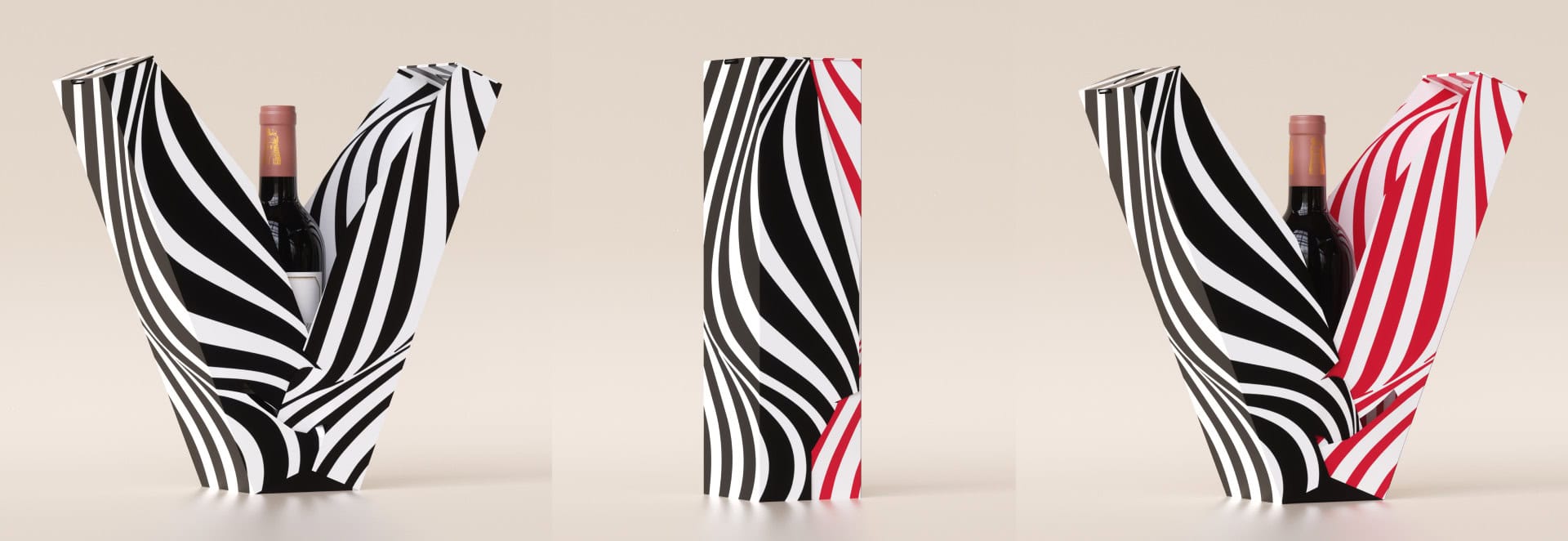
I don't know anyone who doesn't like wine. Red, white, pink, sparkling, non-sparkling, dry, semi-dry, quarter-dry... wine. Here are a few...

What Does It Take to Win International Packaging Design Awards?
Awards winning package design doesn't start with colors or graphics, it is starting from a deep decision, to understand the real story and the real goals.