
At any given moment, the Israeli consumer is flooded with hundreds of visual stimuli – on the shelf in the supermarket, on the Instagram feed, or in an envelope from a courier company. Your product may be the most high-quality in its category, with the most advanced technology or the purest ingredients, but without a precise visual strategy, it will simply be swallowed up in the background.
The process of product branding is the mechanism that transforms a physical item into a desirable identity. It combines marketing positioning, packaging engineering, user experience, and visual communication that cause the customer to choose you specifically and willingly pay a premium for it.
What is product branding and why is it the key to increasing sales?
Product branding does not consist of simply applying a nice sticker or choosing the color of the bottle. It involves building the complete identity of the product: starting with the verbal language (Tone of Voice), through the emotional value it conveys, and ending with the sensation of the material in the hands of the customer.
When a customer encounters a new product, their brain processes the visual data within a split second. Strong and distinct visual identity creates immediate communication without words. It conveys reliability, defines the category and price level, and explains to the consumer why this product is specifically designed for them. The importance of branding in sales is evident in the brand’s ability to override automatic price comparisons with low-cost competitors and build long-term customer loyalty.
The difference between corporate branding and product branding
Many business owners tend to confuse the corporate identity of the company with the identity of a single product. Company branding focuses on core values, organizational culture, general trust, and the impression the company creates among investors, employees, and business partners. In contrast, product branding for businesses focuses on meeting the specific needs of a defined target audience.
Giant companies like Strauss or Unilever exemplify this distinction well: Strauss is the parent company that produces trust, but the Milky brand appeals to emotion and a very specific sensory experience with an entirely independent design and marketing language. Such a distinction is recommended in the following cases:
- The product is addressed to a target audience that is completely different from the target audience of the parent company.
- The product avoids affecting the company's image in the event of a single failure.
- The category in which the product operates requires a visual language and an appearance that do not align with the refined corporate values.
Logo design and product shelf branding: from the concept phase to packaging
When developing a product branding strategy intended for sale in retail or e-commerce, the workflow must be structured and data-driven. The process from initial concept to a finished product on the shelf includes several key stages.
The first step is market research and the mapping of competitors. It is necessary to examine how the neighboring products on the shelf look like, which color dominates the category, what messages are conveyed, and where there is a design vacuum that can be exploited. The second step is concept development and visual identity: designing a logo dedicated to the product, choosing a unique color palette, defining a legible typography for remote viewing, and formulating the accompanying graphic language.
In the third stage, we move on to designing the product packaging. This is where the connection between aesthetics and functionality occurs: does the packaging protect the product? How does it look from the side? Is the information hierarchy clear to the person holding it in their hand?
The experience of unpacking and choosing materials
In recent years, the Unboxing experience has become an integral part of the marketing landscape, especially in the D2C (direct-to-consumer) world. The moment the package is opened is the first physical touch point the customer has with the brand after the purchase.
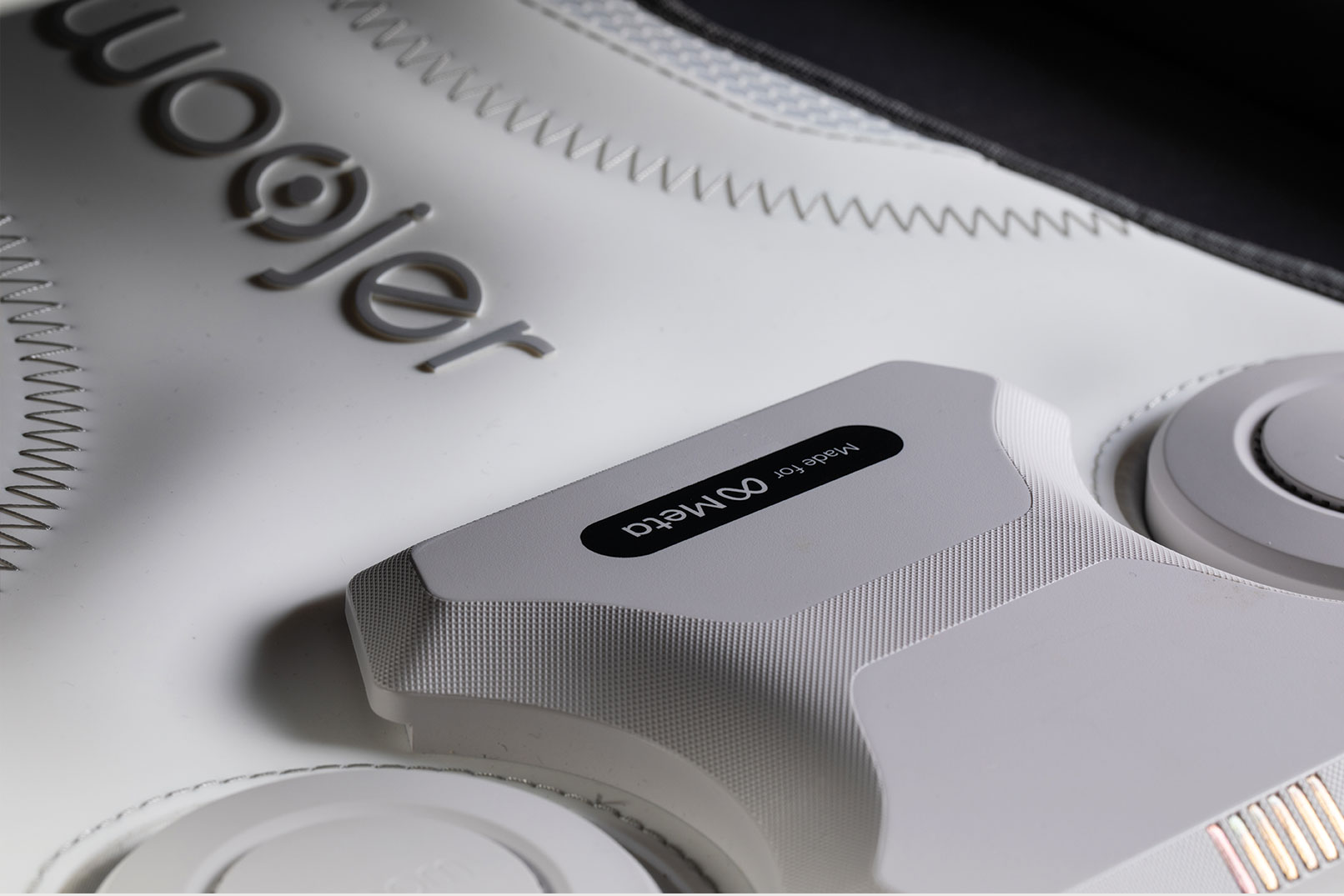
The choice of materials, the type of cardboard, the texture of the paper, and special finishes such as embossed printing (embossing, selective coating, gold/silver printing) directly affect the perception of the product’s value. A rigid box with magnets on the lid, carefully wrapped silk paper, and a sticker with a personal message make a standard product into a luxurious experience that the customer is proud to photograph and share on social networks.
Regulation, product labeling, and packaging laws in Israel
A spectacular design will be of no use if the packaging blocks the product from reaching the points of sale due to non-compliance with legal requirements. In Israel, there are strict laws and standards regarding product labeling, led by the Ministry of Economy, the Ministry of Health, and the Standards Institute.
When planning the packaging and labeling, it is mandatory to allocate a designated and legible space for the following components:
- Manufacturer details, importer and country of production in Hebrew.
- Weight or net volume according to authorized measurement standards.
- Table of nutritional values and red/green labeling (in food products).
- List of ingredients and allergens in descending order of weight.
- Safety warnings and instructions for use in the required languages.
- A clean and organized place for printing EAN-13 barcodes, in a size that allows for quick scanning at the checkout.
Working with a branding studio that is familiar with the regulatory requirements in Israel prevents the rejection of expensive printing runs and delays in launching the product.
Branding advertising products for companies and organizations (Corporate Swag)
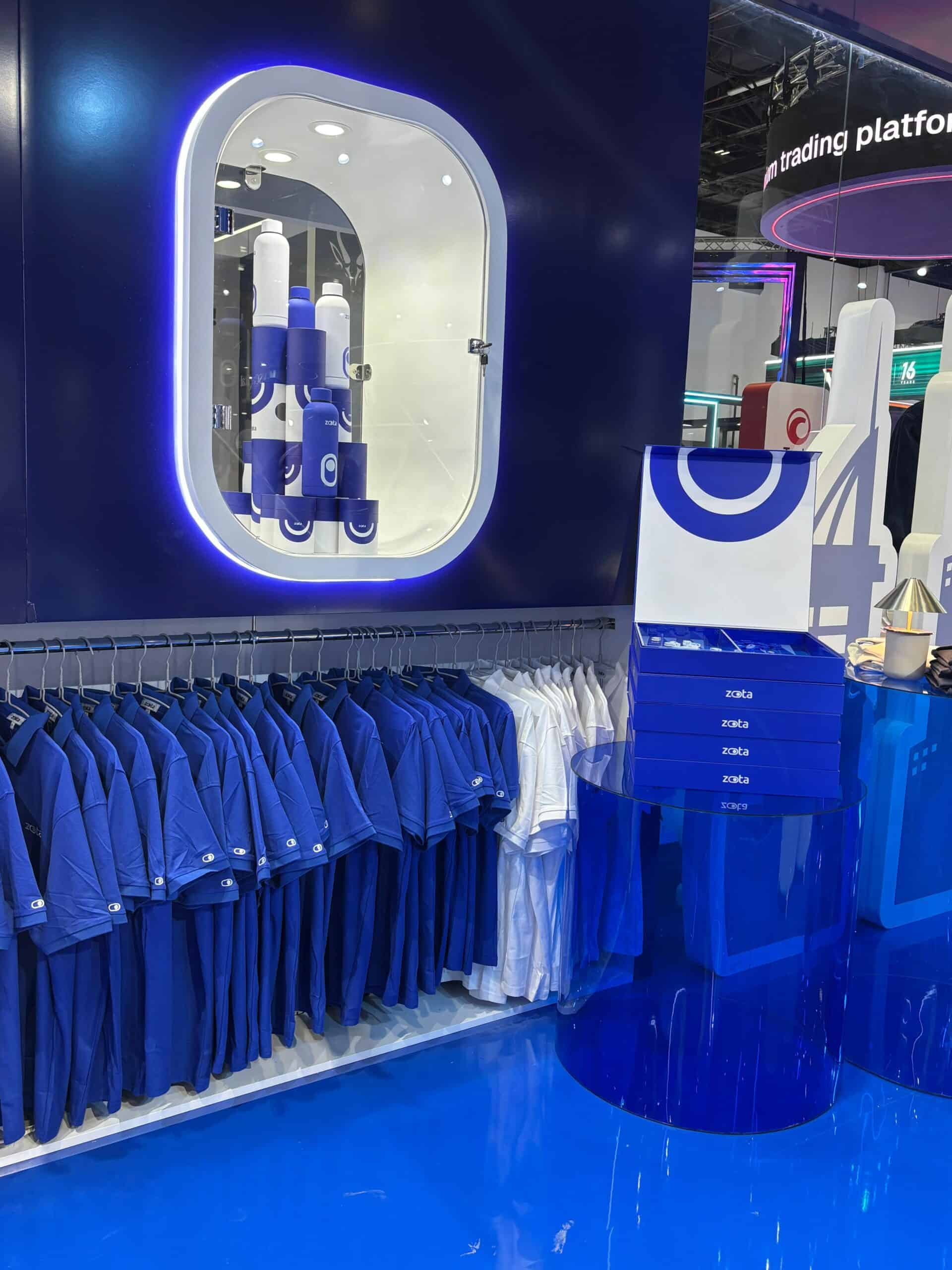
Another significant angle in the world of branding is the field of branded promotional products. Unlike a product sold directly to the consumer, the branding of advertising products for companies and organizations is designed to generate exposure for the existing brand, strengthen the pride of the employees (Employer Branding), or serve as an appreciated gift to strategic customers at conferences and events.
Organizations that work professionally do not settle for random logo printing on a cheap pen. They build comprehensive onboarding kits for new employees, premium holiday packages, and branded equipment for international conferences. These products must fully reflect the visual language of the organization and convey a message of quality and luxury.
How to choose advertising products that will have a real impact?
The most common mistake made by purchasing managers and marketing managers is choosing cheap, useless products that quickly end up in the trash. An advertising product that is not useful does damage to the brand's image.
To create a real impact, it is recommended to act according to the following criteria:
- Everyday utility: Drink bottles keep drinks warm/cool, high-quality laptop backpacks, and durable portable chargers remain in the customer's use for a long time and create continuous exposure.
- Alignment to the target audience: A tech planning audience will appreciate high-quality technological gadgets, while a fitness coach audience will prefer branded sports equipment.
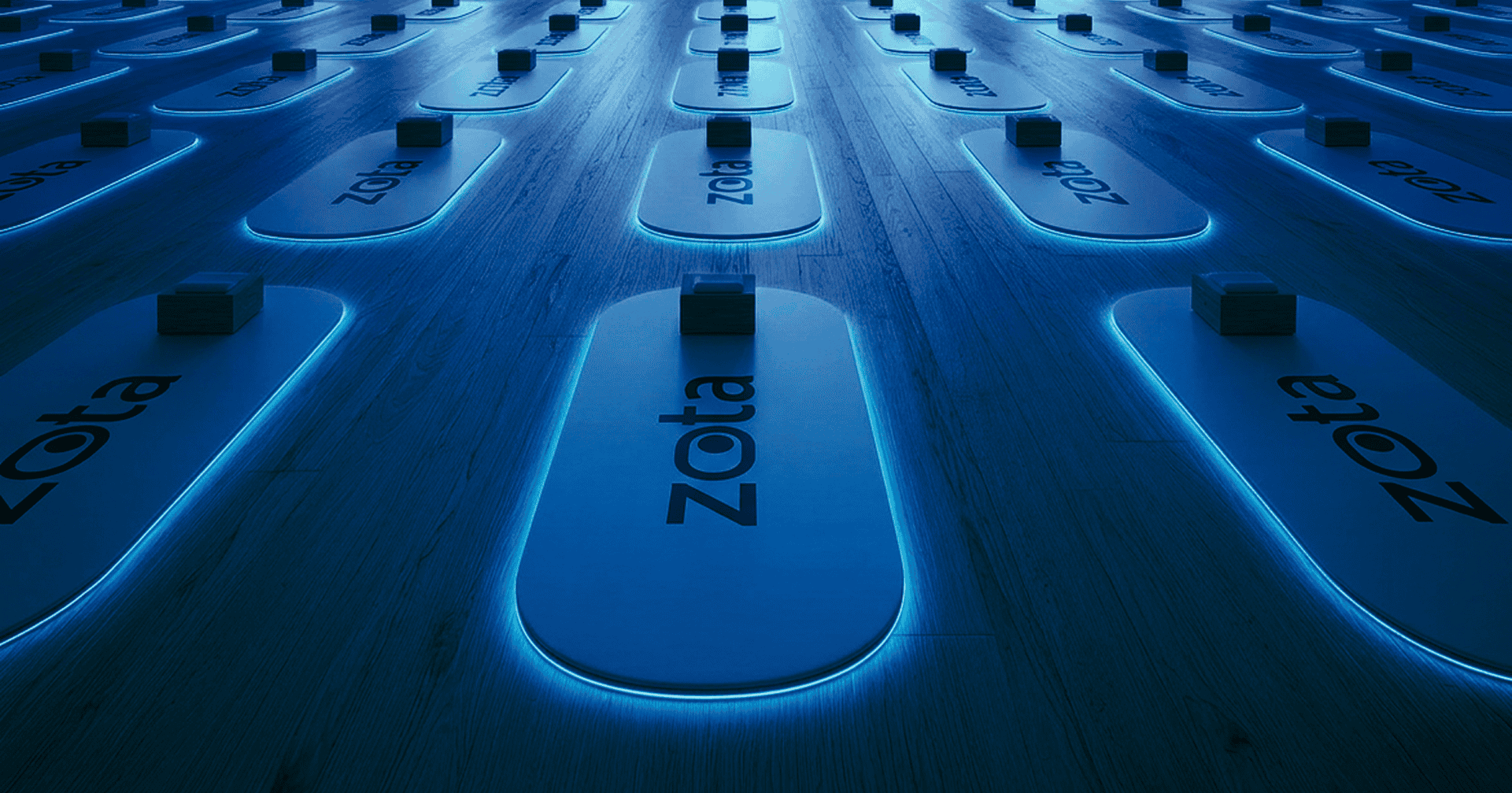
- The quality of the printing and the material: Printing that peels off after just one wash or a staple that broke during first use indicates a lack of reliability. Choose durable printing methods such as laser engraving, embroidery, or direct UV printing.
Eco-branding: Green and sustainable packaging as a competitive advantage
Environmental awareness is no longer a passing trend; it is a key consideration in the purchasing decisions of consumers and international companies. Ecological branding involves the use of recycled materials, regenerates, or materials that can be reused, while reducing the volume of packaging and reducing pollution.
Beyond contributing to the environment, green packaging provides a significant competitive advantage:
- A call to a conscious young audience (Gen Z and Millennials) that is willing to pay more for green brands.
- Strengthening the organization’s corporate responsibility (ESG) values.
- Cost savings in shipping and storage thanks to intelligent packaging engineering that reduces weight and volume.
The use of recycled cardboard without processing, soy-based ink, and coatings without plastic give the product a natural, authentic, and modern look, which conveys quality without the need for ostentation.
Examples of successful product branding from Israel and around the world
To understand the power of proper branding, it is worth examining several case studies of brands that have changed the rules of the game in their respective categories:
- Oatly (oat milk): A company that, instead of looking like another boring medical milk substitute, designed its packaging with wild hand-drawn typography, humorous illustrations, and eye-level text. The result: transforming a bland product into a global lifestyle brand sold at a premium price.
- Apple (iPhone and accessories): Apple has redefined the Unboxing experience. The white, minimalist box that opens slowly thanks to an accurate vacuum creates a sense of anticipation and luxury even before the device is turned on for the first time.
- An Israeli boutique olive oil brand (such as “Fatorah” or “Mesik”): The transition from the standard green wine bottle to dark and decorated glass bottles with rough paper labels and gold labels. The visual change alone allowed these brands to present the product in a culinary manner and sell it to boutique enthusiasts at a price that is double that of the shelf in retail chains.
The main insight from all these examples is that quality design not only improves the appearance – it completely changes the way the customer perceives the value of the product.
Step by step: How to order professional product branding that will bring results?
To ensure that the work process proceeds smoothly and yields the desired marketing results, it is recommended to work according to the following steps:
- Prepare a detailed brief: Define the product’s goals, target audience, direct competitors, the planned price range, and the key messages you want to convey.
- Choosing a strategic partner: Look for a studio or company that combines strategic design capabilities with deep understanding of printing technologies, materials, and production.
- Forming a visual concept: Approval of a design direction (out of 2-3 options) before moving on to the layout of all the shelves and products.
- Prototype production: Printing an experimental sample of the packaging or advertising product for quality testing, color, size, and hand feel before going into mass production.
- Design and production approval: Production of the complete series with control over the quality of finishes and regulatory marking.
If you are planning to launch a new product, want to refresh an existing product line, or wish to produce luxurious advertising materials for your organization, now is the time to act. Contact us today for a strategic consultation, and we will build the exact branding and printing solution that will boost your sales.
FAQ
Q: How much does it cost to brand a new product?
A: The price of branding a new product will be determined by the service provider, the type of client, and the size of the project. Prices can reach hundreds of thousands of shekels and more for a comprehensive branding package. The cost includes market research, packaging design, building a brand book, and a market penetration strategy. The final price is influenced by the complexity of the product, the scope of the associated advertising products, and the number of design concepts required.
Q: What does the process of branding advertising products for companies and organizations include?
A: Branding advertising products for companies includes choosing useful promotional products and printing the logo and brand language on them in a uniform and professional manner. The process focuses on adapting the products to the target audience, such as employees, customers, or conference attendees, while maintaining product quality. Proper branding of advertising products strengthens brand exposure and creates a positive connection with the organization.
Q: What is the difference between logo design and product shelf-marketing branding?
A: Logo design focuses on creating the company's or product's primary visual symbol. In contrast, product shelf branding includes the design of the overall packaging, highlighting the competitive advantages at the point of sale, and creating a prominent presence in front of competitors in the store. Product shelf branding also requires consideration of regulatory considerations, callouts, and the customer's opening experience.
Q: What are examples of successful product branding?
A: A classic example of successful product branding is Apple’s iPhone packaging, which conveys a sense of luxury and simplicity even before leaving the box. Another example is the iconic Coca-Cola bottle, whose geometric shape allows for immediate recognition even without reading the logo. Successful product branding succeeds in creating an immediate emotional connection and standing out unequivocally in a crowded market.