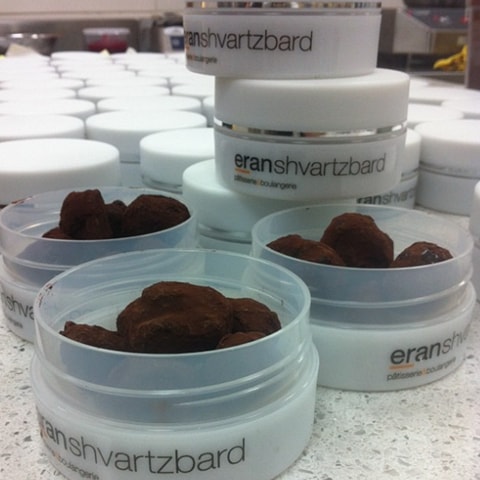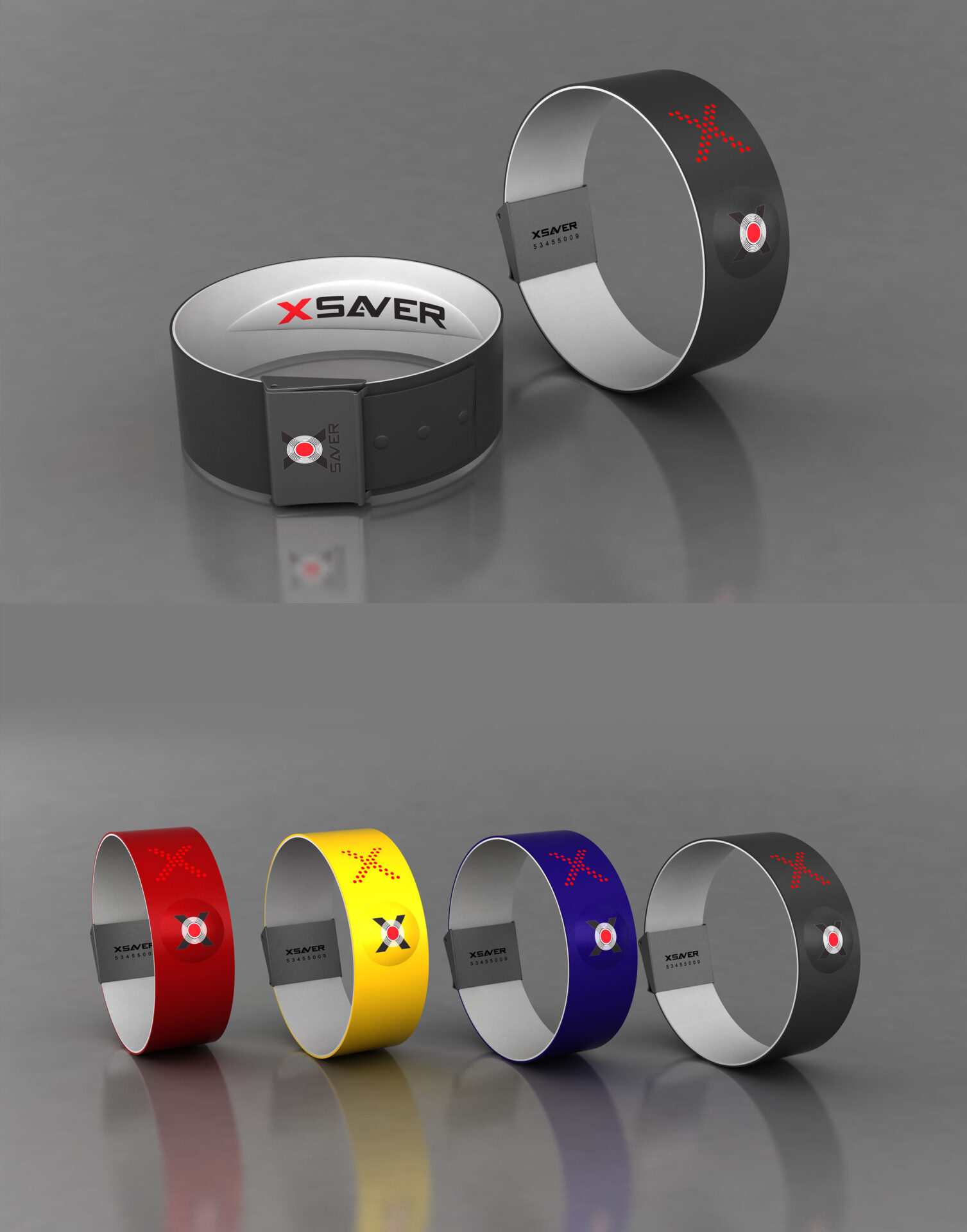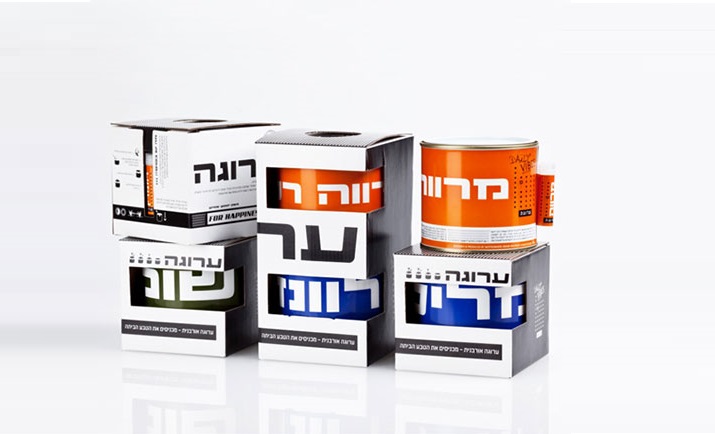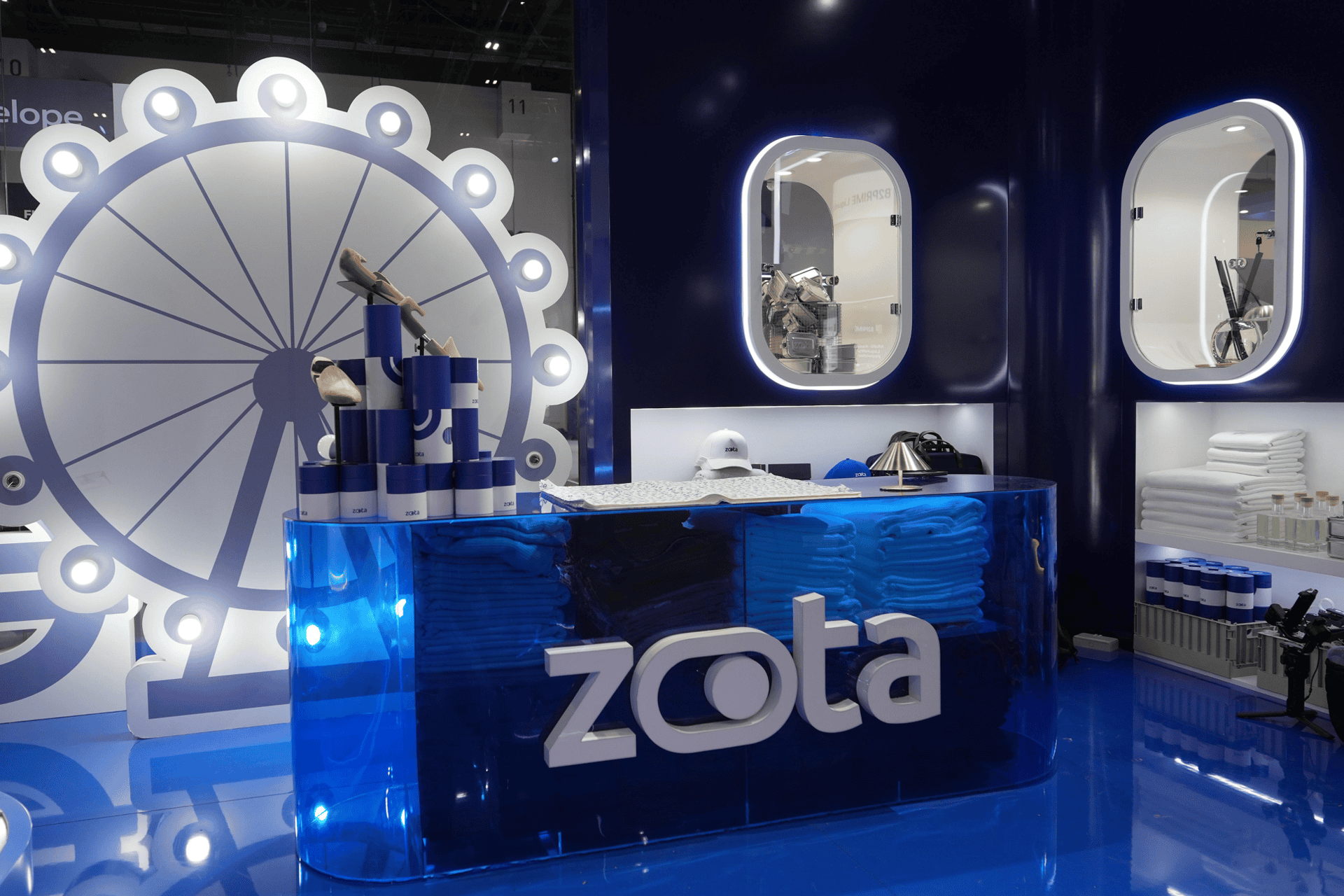
Branding defines who you are: strategy, name, identity, and language. Packaging design transforms this identity into something tangible that can be held in the hand: the structure, materials, printing, and the moment you open it. Branding is not a logo.. and its language must exist across different platforms. Packaging is one of those platforms. Packaging is where the customer first encounters it.
If you’re launching a physical product, branding and packaging design seem like one and the same task. In reality, they’re two separate jobs that depend on each other. When done separately, you end up paying for it later: a box that looks like another company’s, a logo that doesn’t hold up in print, and a launch that feels less like the product within it.
Branding | Packaging design
The central question is: Who are we, and why choose us? How does the product look, feel, and open in the hand of the customer?
The result: strategy, name, identity, language, brand system, structure, layout, materials, printing, finishes, opening experience
Where does it live? Website, product, campaign, team. In the packaging, on the label, on the shelf, on the product page, in the boomerang video. .
There are many branding processes for companies that provide services, and then in fact the point of contact happens in digital channels. But you can’t do good packaging without branding. Without a clear brand, the packaging is just another packaging…
What branding includes
Branding is the work that is done before designers create something. It has four parts.
Strategy. Who is the client, what problem are you solving, what change do you want to make? What does the market look like? Who are the competitors, where are the customers located, what influences them? And what is the only reason they choose you? Everything else comes from here. Many think that this step can be skipped and money can be saved; in my experience, you cannot avoid a strategic process to build a brand.
Identity.Name, logo, color, typography and images.
Language. How the brand speaks: the brand’s voice, the messages on the packaging, on the website, and in the customer service emails. A brand that looks luxurious and writes like a coupon sends contradictory messages.
Building a series and a design system. The rules that allow a brand to grow without breaking down: What changes between products and what never changes. This is the most important thing when planning more than one product. A good system makes the second and third product feel like a family, without being a copy. And it saves the next designer from starting from scratch.
What packaging design includes Packaging design is much more than just graphics on a box. It is a physical product in its own right, and it must work in the real world.
Structure. The shape of the box, how it closes, how it opens, and how it protects. The die line, the flat outline of the box, is where design meets engineering. It affects shipping costs and costs on so many parameters that directly affect the company’s profitability.
Materials and finishes. Hard or corrugated cardboard, matte or glossy, embossing, coating, embellishments. Each choice changes the product's feel and cost.
Production. Patterns, permissible deviations, minimum quantities and delivery times. Planning the printing stages, samples, short cycle and long cycle; how to pack the products; planning the master how the masters will sit on the surface.
Information. Everything the packaging must say: product name, claims, regulatory text, barcode and instructions. Good packaging organizes this so that the important message still appears in two seconds; usually the most important message is how to use the product; a customer who didn’t understand how to use it calls your customer service.
The opening experience. What happens after you open the packaging? The order in which the customer sees things, the sound, the texture, the first thing they encounter when they open the packaging. Today, many customers see your packaging in someone else's video before they see it themselves. We refer to packaging design And the experience of anoboxxing Currently, it is planned; not as something we remember at the end.
Shelf and screen. Packaging should work in three places: on the shelf in the store, in a 100-pixel product image, next to hundreds of other products on e-commerce sites. And on the counter after the courier delivered it. Each of these places has a different essence.
Where they meet: Packaging as the first physical point of contact
With most physical products, packaging is the first time the customer holds the brand. Before that, they saw an advertisement, a website, maybe a review. The box is the first thing they can touch.
This is the moment when packaging branding is examined. Does the box feel like the website promised? Does it convey the right level of quality? Does the customer understand within a few seconds what the product is?
It is important to know: know where the customer encounters the packaging. Who are the competitors, what products are near them, what sites, trading venues? What needs to be prepared to create a campaign that will lead the product.
Why branding and packaging design are cost-effective when done together
When one studio handles both, three things improve.
Consistency. The branding is what guides all the conceptual and design thinking of the packaging. The brand looks like one company everywhere the customer encounters it, and that’s where the trust is built.
Value captured The packaging conveys who you are, and it is this that customers judge you by; a packaging that arrives damaged or not in alignment with the product will determine what the customer will think of you.
Production. Production is one of the most important parts and the one that actually completes the packaging design process. And the attention that this phase receives tends to be forgotten. Poor production will cost you more money, lower the company’s profitability, lead to returns, and harm the environment. The importance of production is no less valuable than the planning and design phase. It is an essential part of the brand.
Examples from our work
Our packaging forGoCube, GoChess and 32N won in the main categories at the World Packaging Awards competition.
Here is what was behind the work.
GoChess (Winner of the World Packaging Awards). Particula approached us to design packaging for GoChess, a smart chess board based on artificial intelligence. We made the opening experience part of the strategy: the box opens in an orderly manner, like a move, and inside triangular trays display the tools as if they have already been placed on the board. The black-and-white palette and precise engineering carry the logic of the product.To the GoChess project.
32N by Deep Optics (Winner of the World Packaging Awards). These glasses go from sunglasses to reading glasses in a swipe. The opening of the packaging recreates that same motion: a rigid white box that opens smoothly, with a minimalist design, exposure of the product inside, and a orange glow inside as the first emotional signal. We reduced noise to create the majesty of the product. To the 32N project.
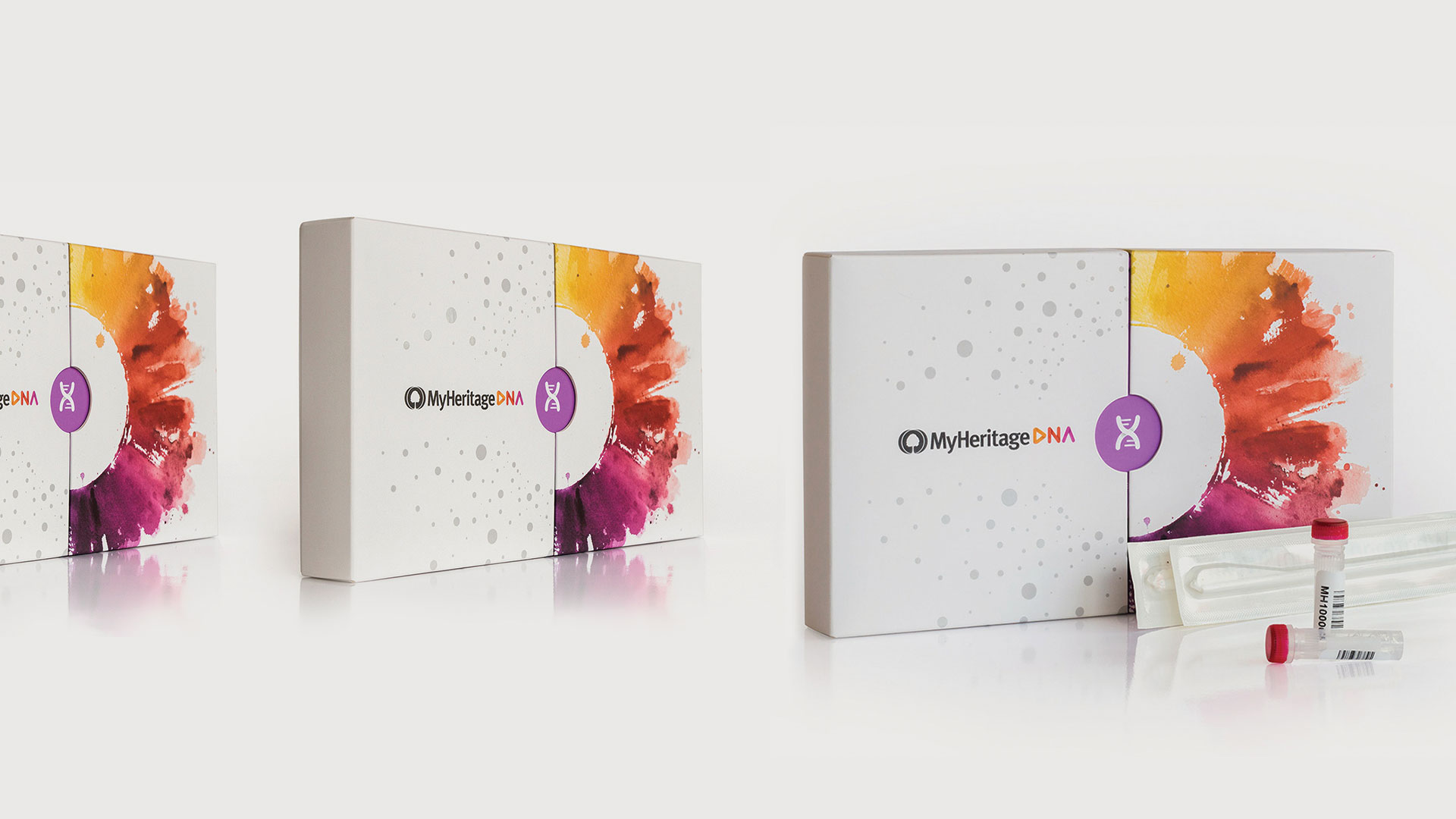
MyHeritage DNA Kit. The app was MyHeritage’s first physical product. It had to meet strict regulatory requirements while still delivering an experience of reliability. We designed a packaging that opened up a capsule of heritage. The product entered a market where strong brands like National Geographic and others are present, but with the help of marketing work and endless Instagram videos, the product became a global success within two months.
To the MyHeritage project.
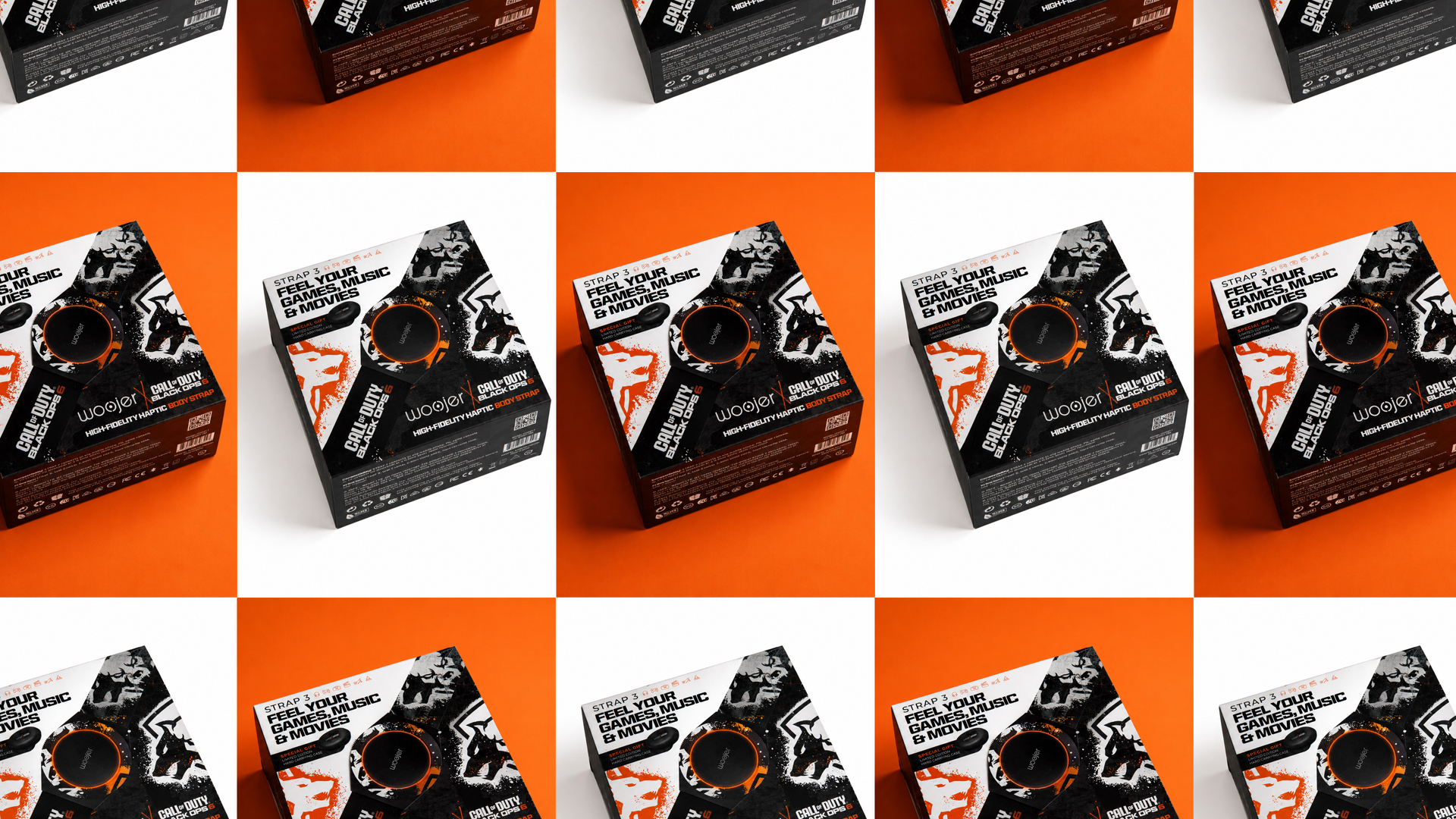
Woojer A technology developer that transforms sound into a physical sensation. The question was how to make the user feel something special before they even put on the vest. The packaging behaves like the product: from the deep colors to the opening form, it is designed to create anticipation. To the Woojer Vest3 project.
In all cases, packaging is an integral part of the brand and not just another generic, random packaging.
How do you write a brief for a studio for branding and packaging design?
A good refiner saves weeks. Come with answers to these questions, even if some of them are vague:
1. The product. What is it, what does it do and what makes it unique? One paragraph.
2. The client. Who buys it, where does he/she first see the product and with what does he/she compare it?
3. Where it is sold. From store shelves, your website, marketplaces, or everything. It changes the design.
4. The line. One product now, or a family in the future? Say it from the beginning.
5. Restrictions. Budget, quantities, release date, regulatory text, delivery requirements. Real numbers are better than ranges.
6. What else is there?. Does the logo exist? Is the name closed? Where is the product manufactured? At what stage of the production process are you?
7. What does success look like?. What are your expectations of what will happen? Do you have a strategy for introducing the product to the market? Do you dream of hundreds of Anabocsinig videos and more?
And then they asked the studio how it works: Does it cover strategy, identity and packaging, and does it manage production files and negotiations with the printer? One studio for the entire process saves on transfers where things get lost.
FAQ's
What is the difference between branding and packaging design?
Branding is the strategy, identity, and language of a company or product. Packaging design is the physical form that this identity takes: the structure, materials, graphics, and opening experience of the box. Branding determines what the product represents, and the packaging is where the customer first encounters it.
Do you need branding before designing packaging?
It is advisable. The packaging carries the brand, so it works best when it is already clear to whom the product is intended and what it represents. If it is not yet clear, it is worth developing the brand and the packaging together, so that the box reflects real decisions rather than guesswork.
Can the same studio also do branding and packaging design?
Yes, and in this new product, it is usually the better solution. One team maintains consistency between the identity, text, structure, and production, and avoids the gaps that open up when two studios work on their own parts.
Does packaging design include the logo?
Not necessarily. The logo belongs to the branding. The design of the packaging determines how the logo and identity are applied to a physical structure: size, placement, finish, and what happens at the edges of the die-cut.
How long does it take to design a branding and packaging together?
It depends on the scope: a new brand with one product takes longer to package than an existing brand, and production adds its own timeline. A good studio will give you a timeline after the first briefing.
Does packaging design include production?
At least the preparation for it. Look for a studio that prepares ready-to-print files, sets the materials and finishes, and talks to the printers, so that what you approve is what you will receive.
Ready to launch a product?
If you are planning a launch and want branding and packaging that work together, talk to us or fill out the form on the website.